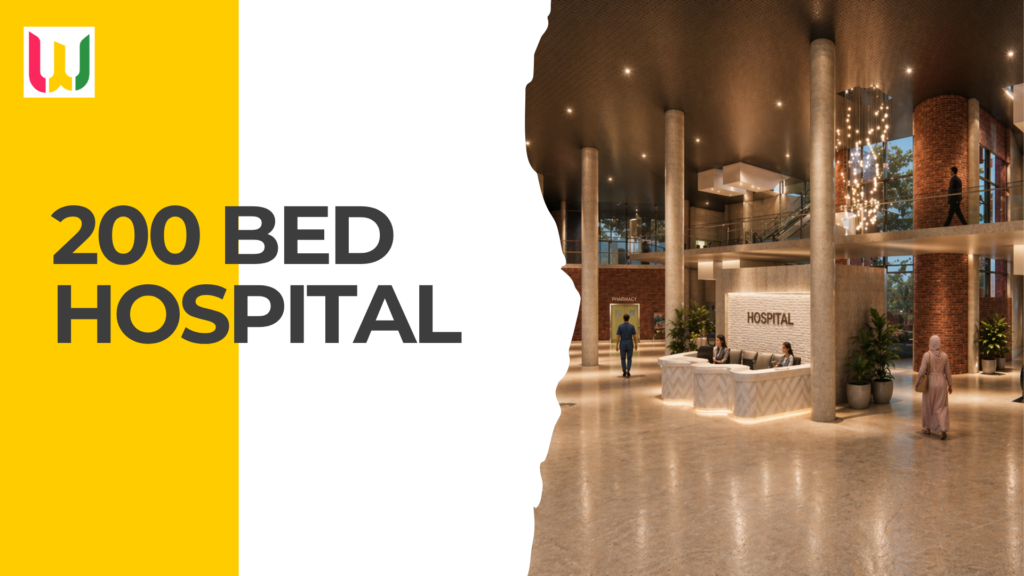

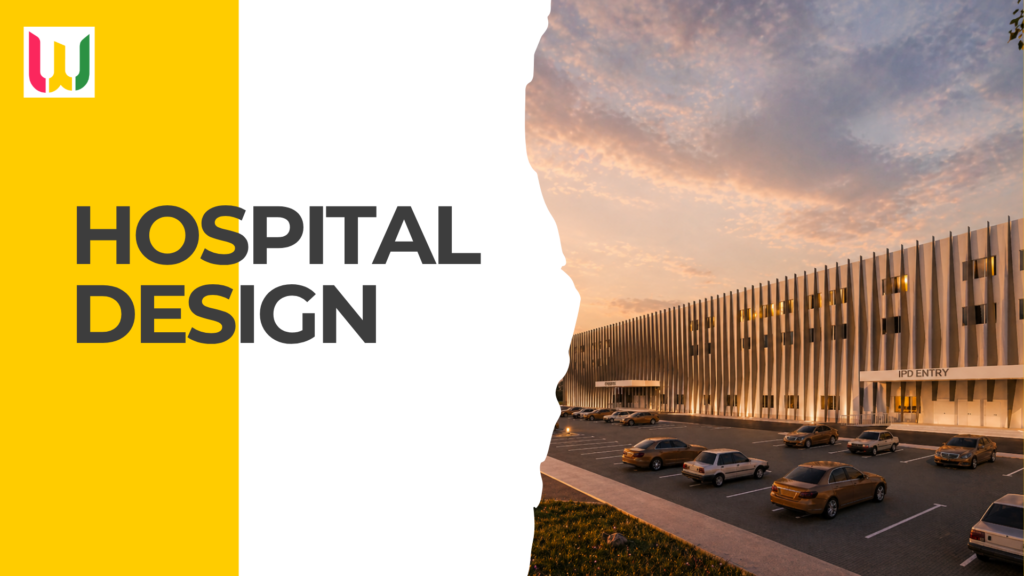
Hospital design is never a one-solution problem. The same site can generate completely different architectural responses depending on the design approach.
This blog presents an alternative design proposal for a 200-bedded hospital in Gurgaon, developed by Md. Sadiq, Md. Junaid, and Umar Meeraj. While the site remains the same as that used in Hassan and Afrah’s design approach, this proposal explores a different planning strategy, focusing on clarity, efficiency, and user-friendly movement.
Compared to other submissions, this design emphasizes simplified circulation, structured zoning, and a balanced built environment, making it easier for patients, visitors, and staff to navigate the hospital.
At the same time, the approach by Hassan and Afrah stands out for its deeper focus on healing architecture—prioritizing patient experience, emotional comfort, and the use of light, space, and atmosphere to create a more supportive healthcare environment. Together, both proposals highlight how the same site can lead to distinct yet valuable design outcomes, each addressing healthcare architecture from a unique perspective.
Site Planning Strategy
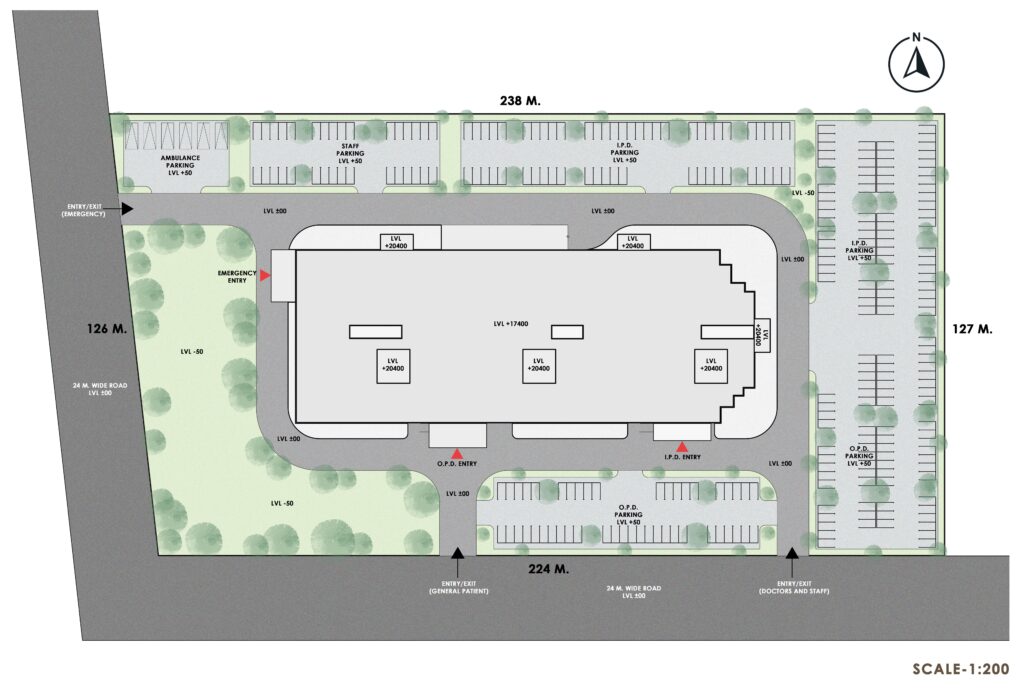
The design begins with a strong understanding of the site, as seen in the site plan .
Key Site Features:
- Rectangular plot with clear road access
- Central placement of the building
- Peripheral road loop for smooth movement
Entry and Access Planning:
- Emergency Entry → Direct and uninterrupted
- Public Entry (OPD) → Clearly visible and accessible
- Staff & Service Entry → Separate to avoid conflicts
Parking Strategy:
- OPD parking near main entry
- Staff parking in designated zones
- Ambulance parking near emergency
Why This Works:
This structured site planning reduces:
- Traffic congestion
- Movement conflicts
- Delays in emergency response
It ensures that the hospital functions efficiently from the moment a user enters the site.
Design Concept: Clarity Over Complexity
Unlike many hospital designs that rely on complex layouts, this proposal follows a simple idea:
“Clear Planning = Better Experience”
The design avoids unnecessary complexity and focuses on:
- Straightforward layout
- Logical department placement
- Easy navigation
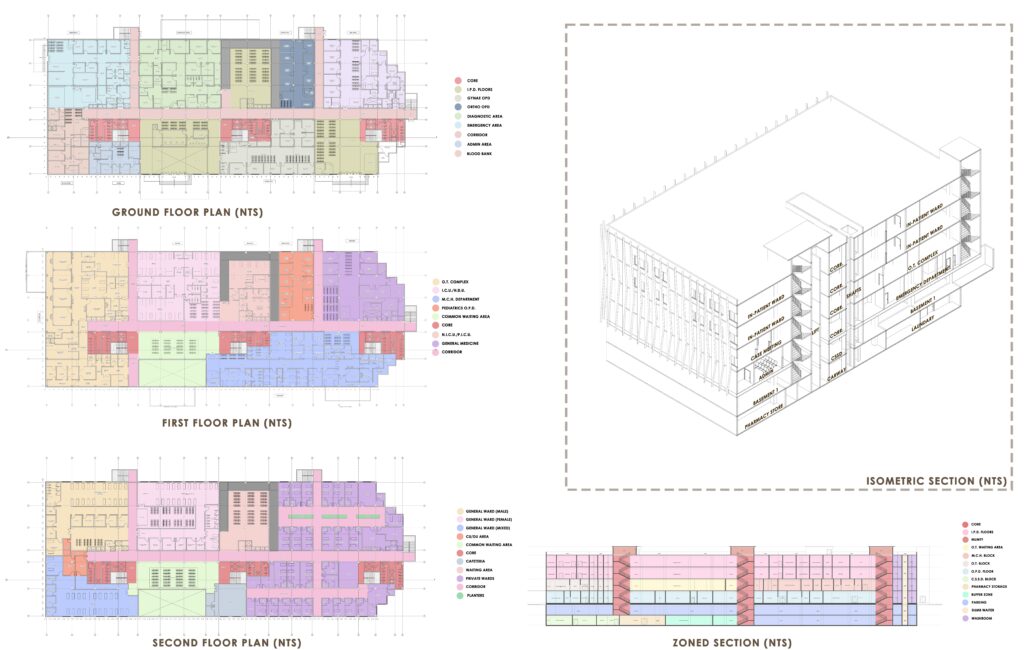
Ground Floor Planning (Public Zone)
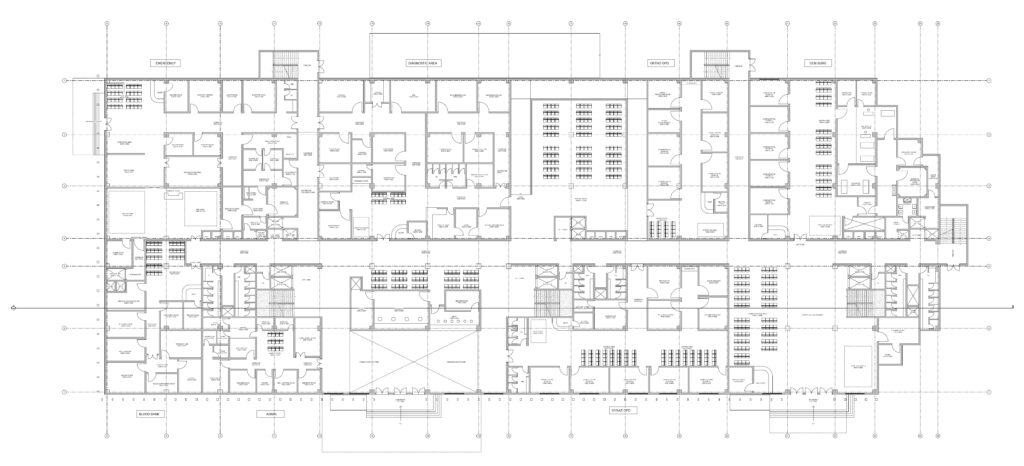
The ground floor plan is designed as the primary public interface of the hospital.
Functions Included:
- OPD departments
- Emergency unit
- Diagnostic services
- Waiting areas
- Administration
Planning Highlights:
- Central corridor connecting all departments
- Emergency located near dedicated entry
- Diagnostics placed centrally for easy access
- Waiting areas positioned logically
Impact:
- Reduced walking distance
- Easy navigation for patients
- Faster service delivery
This floor is designed to handle maximum footfall efficiently.
Upper Floor Planning (Private & Semi-Private Zones)
The upper floors are more controlled and quieter, as shown in zoning diagrams .
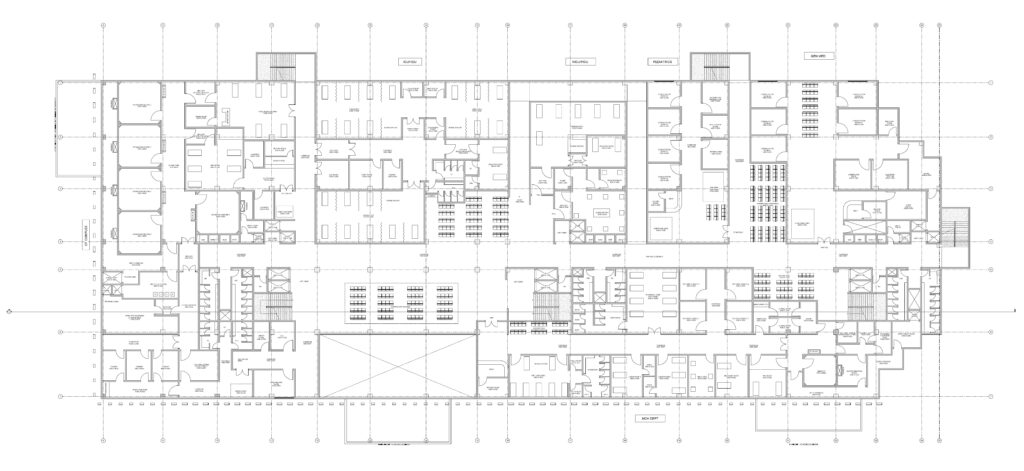
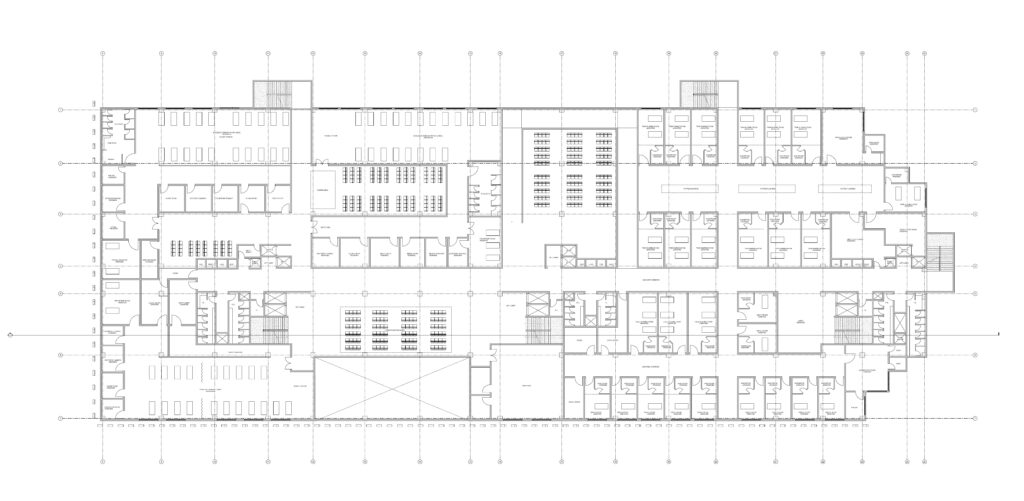
Functions:
- General wards
- Private rooms
- ICU and critical care
- Specialized departments
Zoning Logic:
- Public → Lower floors
- Semi-private → Intermediate zones
- Private → Upper levels
Benefits:
- Better patient comfort
- Reduced noise
- Improved infection control
This vertical zoning ensures a smooth transition from public activity to private care.
Zoning Strategy
The design clearly divides the hospital into functional zones:
- Public Zone: OPD, reception
- Semi-Private Zone: Consultation, wards
- Restricted Zone: ICU, emergency
- Service Zone: Backend operations
Advantages:
- Prevents overlap of functions
- Improves safety and hygiene
- Enhances operational efficiency
The zoning is intuitive, making the building easy to understand even for first-time visitors.
Circulation Planning
Efficient circulation is a key strength of this proposal.
Features:
- Straight and linear corridors
- Multiple vertical cores (lifts and stairs)
- Logical department connections
Types of Movement:
- Patient movement
- Staff movement
- Service movement
These are either separated or controlled to reduce conflicts.
Result:
- Smooth movement
- Reduced confusion
- Improved efficiency
Emergency Planning
Emergency services are designed for speed and accessibility.
From the site plan and building layout :
- Dedicated ambulance entry
- Direct access to emergency ward
- No overlap with public circulation
Benefits:
- Faster response time
- Efficient patient handling
- Reduced delays
Patient Experience and Healing Environment
The design also focuses on improving the overall hospital experience.
Key Features:
- Open surroundings
- Natural light penetration
- Clean and organized interiors
- Comfortable waiting areas
Impact:
- Reduces stress and anxiety
- Improves comfort
- Supports healing
The hospital feels structured and manageable rather than overwhelming.
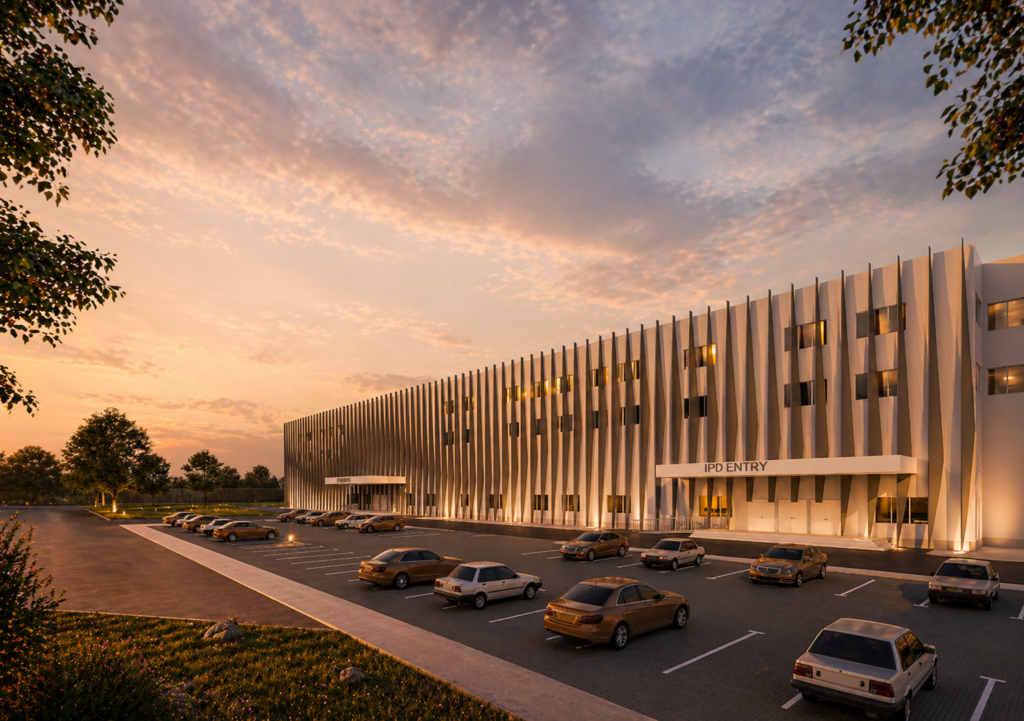
Facade and Architectural Expression
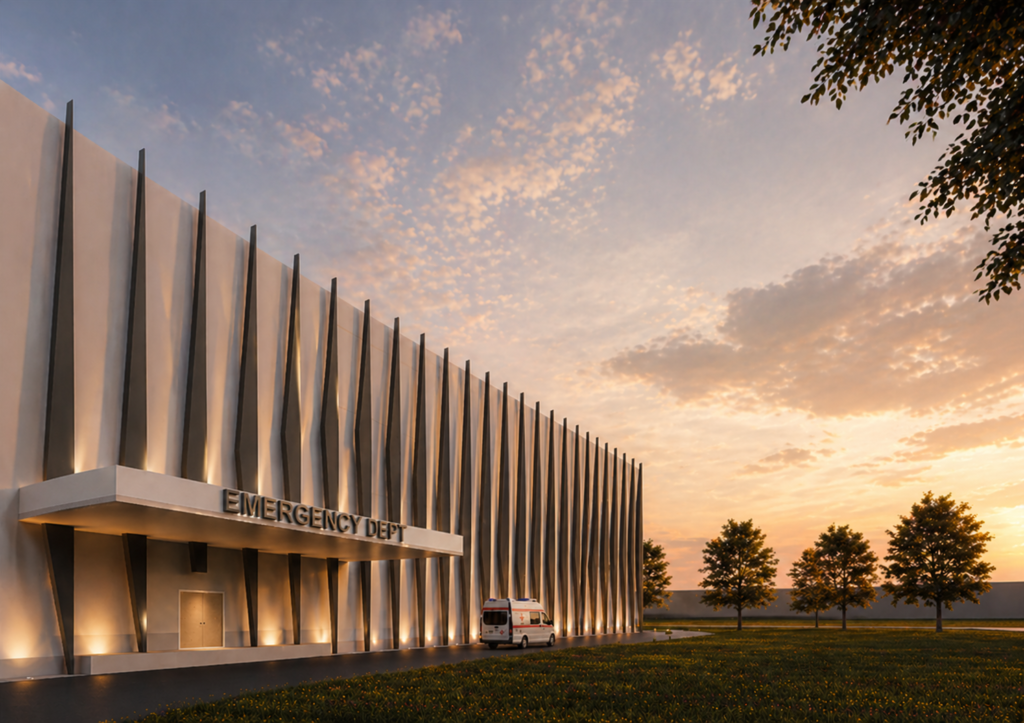
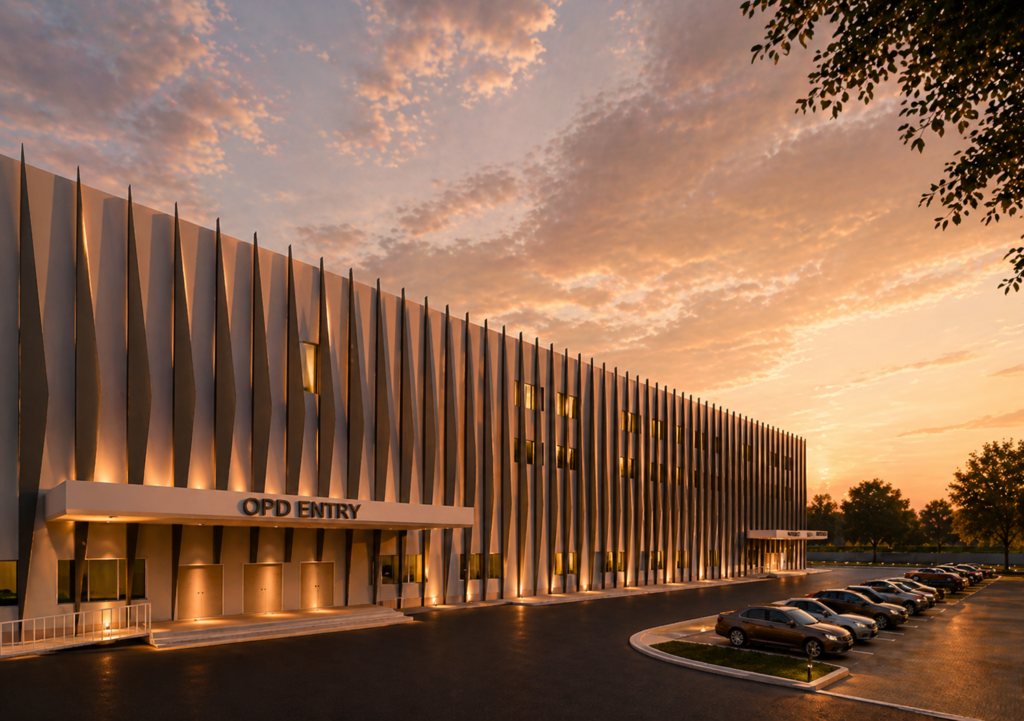
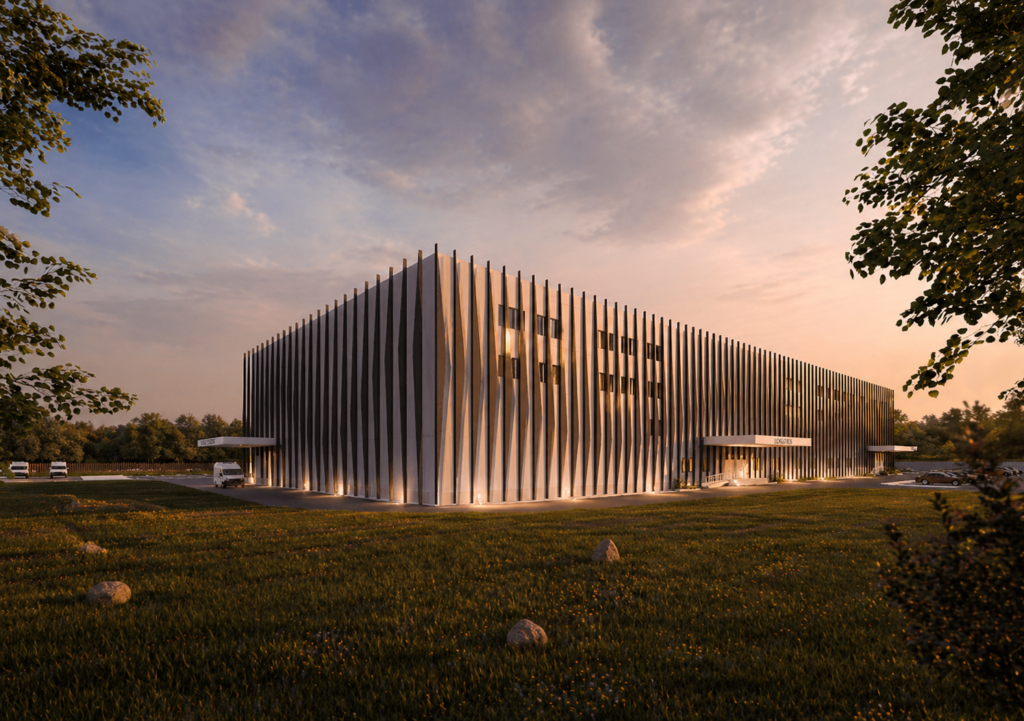
The facade design reflects a modern and functional approach.
- Vertical fins
- Clean geometry
- Repetitive rhythm
Functional Benefits:
- Sun shading
- Reduced heat gain
- Energy efficiency
Visual Identity:
The building appears:
- Modern
- Professional
- Institutional yet welcoming
Structural Planning and Flexibility
The structural system follows a regular grid, allowing:
- Flexible planning
- Easy future expansion
- Adaptable interior spaces
This ensures the hospital remains functional and relevant over time.
Services and Backend Planning
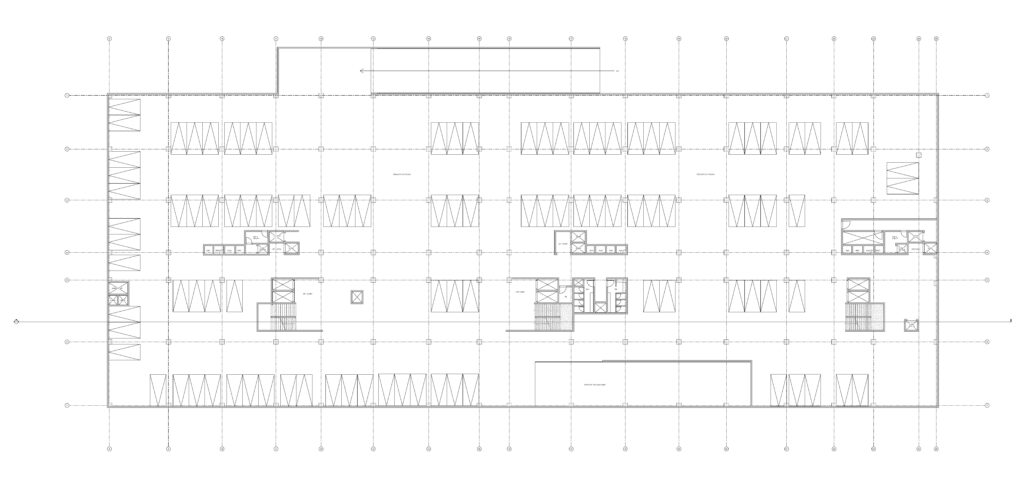
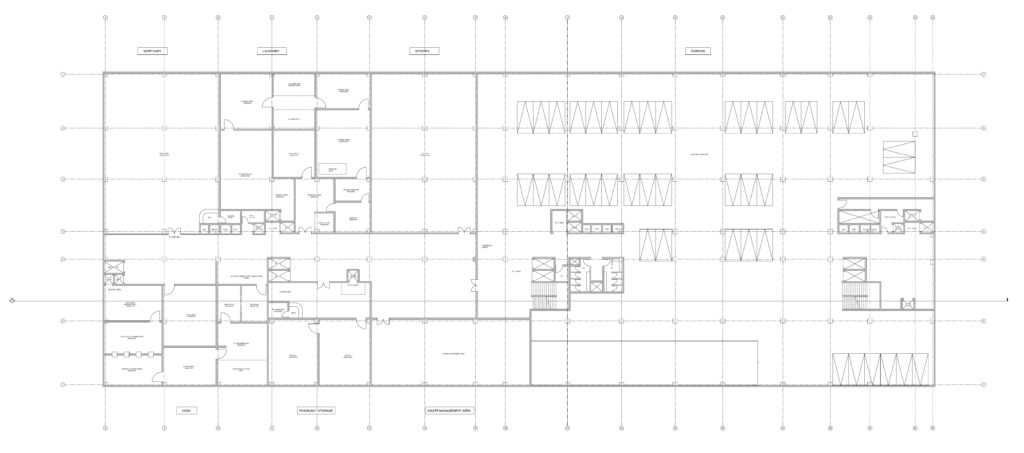
The design includes well-planned service areas such as:
- Laundry
- Kitchen
- Storage
- Waste management
These are separated from public zones to maintain hygiene and efficiency.
Comparison Insight: Same Site, Different Approach
This project highlights an important architectural lesson:
The same site can generate completely different design solutions.
Compared to other proposals on the same site, this design focuses more on:
- Simplicity
- Clarity
- Efficient movement
It shows how design decisions directly impact functionality and user experience.
Why This Design Stands Out
This proposal by Md. Sadiq, Md. Junaid, and Umar Meeraj stands out because it prioritizes:
- Clear planning
- Logical zoning
- Efficient circulation
- User-friendly design
It avoids unnecessary complexity and instead creates a hospital that is:
- Easy to navigate
- Efficient to operate
- Comfortable to experience
Conclusion
This 200 bedded hospital design in Gurgaon demonstrates how a different design approach on the same site can lead to a completely new outcome.
Through thoughtful planning and a focus on clarity, Md. Sadiq, Md. Junaid, and Umar Meeraj have created a proposal that is both functional and user-centered.
It reinforces a key idea in architecture:
Good design is not about complexity—it’s about making spaces work better for people.
Hospital Design (FAQs)
Both design proposals are made on the same site, but they take very different approaches.
Afrah Husain and Hassan Warid, working together, focus more on creating a healing and comfortable environment. Their design looks at how patients feel inside the hospital, using natural light, calm spaces, and thoughtful planning to reduce stress. The overall idea is to make the hospital feel less intimidating and more supportive for recovery.
On the other hand, Md. Sadiq and Md. Junaid focus more on clear planning and smooth functioning. Their design is well-organized, with proper zoning and easy circulation, making the hospital efficient to use and manage.
In simple terms, while Sadiq and Junaid’s design focuses on how the hospital works, Afrah Husain and Hassan Warid’s approach focuses more on how the hospital feels—bringing a more human touch to healthcare design.
The difference lies in how each design handles the hierarchy of spaces and organisation of functions.
The design by Afrah Husain and Hassan Warid, through zones with a clear sense of transition—from public to private areas—creates a more intuitive experience.
In contrast, the design by Md. Sadiq and Md. Junaid uses a more direct and compartmentalised approach, where each department is clearly defined and efficiently arranged for quick access and functionality.
In simple terms, one design creates a more gradual and experience-based transition of spaces, while the other focuses on clear separation and direct accessibility of functions.
Also Read,