

Every project and every business depends on one thing—how well it manages its supply chain. Whether you are building a structure, delivering products, or running a company, you rely on materials, suppliers, and timely execution. If even one part fails, the entire system gets affected.
Many projects face delays not because of poor planning, but because materials do not arrive on time or coordination breaks down. Costs increase, timelines shift, and teams struggle to catch up. This is where strong supply chain management becomes essential.
In 2026, businesses cannot afford inefficiency. They need better planning, real-time tracking, and strong coordination between all stakeholders. A well-managed supply chain keeps operations smooth, reduces risks, and improves overall performance. Understanding how it works will help you manage projects more effectively and make smarter decisions in your career.
What is Supply Chain Management?
Supply chain management is the process of managing the flow of goods, services, and information from the source of raw materials to the final customer. It connects different parties such as suppliers, manufacturers, contractors, and distributors into one coordinated system.
It includes key activities like procurement, production, inventory management, and distribution. The main goal is to deliver the right product at the right time while maintaining quality and controlling costs.
In construction and real estate projects, supply chain management ensures that materials like cement, steel, and finishing items reach the site as per schedule. When teams manage the supply chain properly, they avoid delays, reduce waste, and improve productivity.
What is Logistics?
Logistics is a critical part of supply chain management that focuses on the efficient movement, storage, and handling of goods from one point to another. It ensures that materials and products reach the right place, at the right time, in the right quantity, and in proper condition.
Logistics covers activities such as transportation planning, warehousing, packaging, loading and unloading, and inventory handling. Teams plan delivery routes, choose suitable transport modes, and track shipments to ensure smooth operations. They also manage storage systems to keep materials safe and easily accessible.
In construction and real estate projects, logistics plays a key role by ensuring timely delivery of materials like cement, steel, and equipment to the site. Poor logistics can lead to delays, cost overruns, and disruption of work.
Efficient logistics improves coordination between stakeholders, reduces waste, lowers costs, and ensures that the overall supply chain runs smoothly and reliably.
Key Components of Supply Chain Management
Planning
Planning forms the foundation of supply chain management. Teams forecast demand, estimate material requirements, and allocate resources accordingly. They analyze past data, market trends, and project timelines to prepare accurate plans. Good planning helps avoid shortages, reduce excess inventory, and control costs. It also ensures that all stakeholders stay aligned with project goals. When teams plan effectively, they can respond quickly to changes and maintain smooth operations.
Sourcing (Procurement)
Procurement focuses on selecting the right suppliers and purchasing materials at the best value. Teams evaluate suppliers based on quality, cost, reliability, and delivery timelines. Strong procurement practices help maintain consistent material supply and reduce risks. Building long-term relationships with reliable vendors improves coordination and trust. In construction projects, proper sourcing ensures that materials arrive on time and meet quality standards.
Manufacturing / Production
Manufacturing involves converting raw materials into finished products. Teams focus on maintaining quality, reducing waste, and meeting deadlines. Efficient production processes improve productivity and ensure consistent output. Coordination with procurement and inventory is essential to avoid delays. In some industries, this stage also includes assembly, testing, and quality checks before final delivery.
Inventory Management
Inventory management ensures that businesses maintain the right amount of stock at all times. Too much inventory increases storage costs. Teams track stock levels, monitor usage, and plan replenishment accordingly. Modern systems use real-time data to improve accuracy and visibility. Effective inventory management supports smooth operations and prevents disruptions.
Warehousing
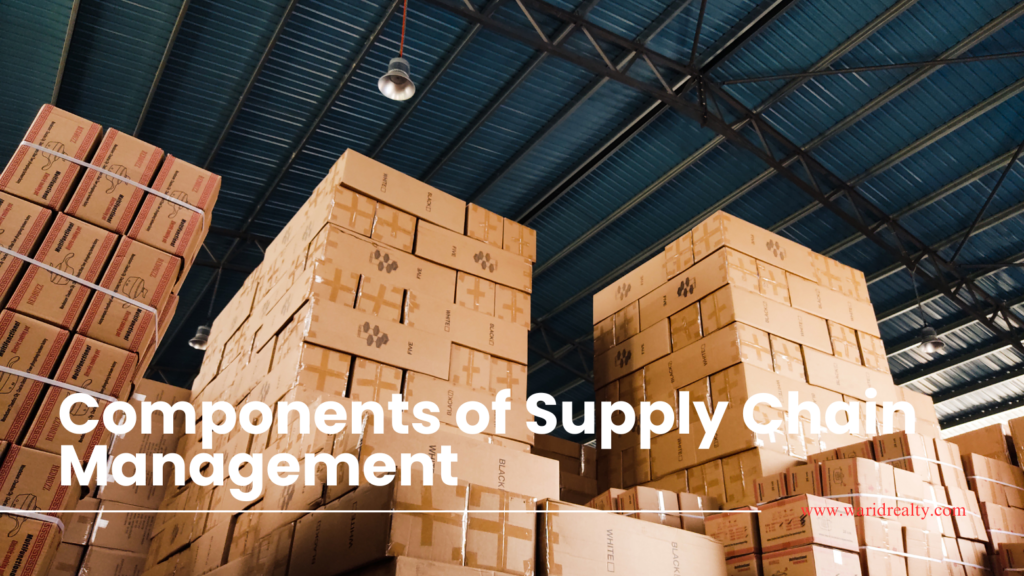
Warehousing involves storing materials and products safely until they are needed. Well-organised warehouses improve efficiency by making it easy to locate and move goods. Teams use proper storage methods, labelling systems, and tracking tools to manage inventory. Efficient warehousing reduces losses, prevents damage, and supports quick distribution. It also plays a key role in maintaining supply chain flow.
Transportation
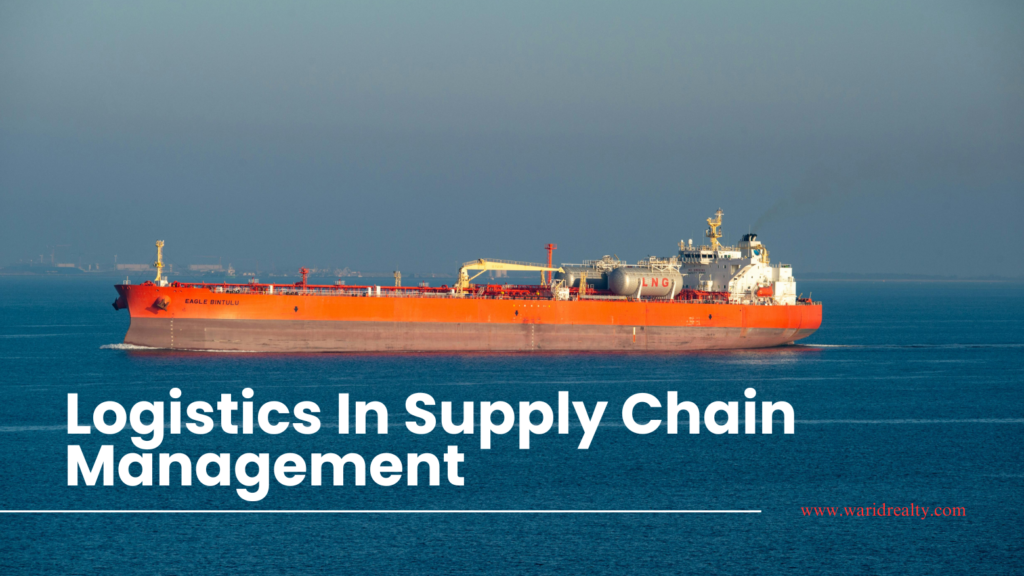
Transportation manages the movement of goods between suppliers, warehouses, and customers. Teams select the best transport mode—road, rail, sea, or air—based on cost, speed, and distance. Route optimisation and proper scheduling help reduce delays and expenses. Efficient transportation ensures timely delivery and keeps the supply chain running smoothly.
Distribution
Distribution is the final stage where products reach customers or project sites. Teams coordinate delivery schedules, manage distribution channels, and ensure timely handover. Efficient distribution improves customer satisfaction and supports business performance. In construction, this means delivering materials to the site exactly when needed to avoid delays and storage issues.
Importance of Supply Chain Management
Supply chain management plays a vital role in improving the overall efficiency and performance of any business. It helps organizations plan, coordinate, and control the flow of materials, information, and resources from start to finish. When companies manage their supply chains effectively, they reduce delays, avoid unnecessary costs, and ensure smooth operations.
One of the key benefits is cost control. By optimizing procurement, inventory, and transportation, businesses can minimize waste and reduce expenses. It also improves coordination between suppliers, contractors, and internal teams, which leads to better decision-making and fewer disruptions.
Supply chain management also enhances customer satisfaction. When products or materials are delivered on time and in the right condition, it builds trust and reliability. In industries like construction and real estate, it ensures that projects stay on schedule and within budget.
In addition, a strong supply chain helps organizations respond quickly to changes in demand or unexpected challenges. This flexibility gives businesses a competitive advantage and supports long-term growth.
Challenges in Supply Chain Management
Supply chain management faces several challenges that can affect efficiency, cost, and overall performance. One of the major issues is supply disruption. Unexpected events such as global crises, natural disasters, or supplier failures can interrupt the flow of materials and delay operations.
Demand uncertainty is another key challenge. When companies fail to forecast demand accurately, they either face shortages or excess inventory, both of which increase costs. Rising transportation and fuel costs also put pressure on budgets and reduce profitability.
Poor coordination among stakeholders, such as suppliers, contractors, and project teams, can lead to delays and miscommunication. In addition, regulatory and compliance requirements add complexity, especially when operations span multiple regions.
Limited real-time visibility is another concern. Without proper tracking systems, businesses struggle to monitor inventory and shipments effectively. Overdependence on a few suppliers further increases risk.
To overcome these challenges, organisations must adopt better planning, diversify suppliers, and use technology to improve visibility and decision-making.
Role of Logistics in Supply Chain Management
Logistics plays a crucial role in making supply chain management work efficiently. It focuses on how materials and products move, where they are stored, and how they reach their final destination. While supply chain management involves planning and coordination, logistics ensures proper execution on the ground.
Logistics manages key activities such as transportation, warehousing, packaging, and inventory movement. It connects suppliers, warehouses, and customers, ensuring a smooth flow of goods at every stage. Efficient logistics helps reduce delays, control transportation costs, and improve delivery speed.
In construction and real estate projects, logistics becomes even more important. It ensures that materials like cement, steel, and equipment arrive at the site exactly when needed. Timely delivery helps maintain project schedules and prevents cost overruns caused by delays or idle resources.
Good logistics also improves coordination between different teams and stakeholders. With better tracking and planning, businesses can respond quickly to changes or disruptions. Overall, strong logistics systems support supply chain performance, improve efficiency, and ensure reliable project execution.
Supply Chain Management (SCM) Software
SAP ERP

SAP ERP helps organizations manage their entire supply chain in one integrated system. It connects procurement, inventory, production, and logistics, making operations more efficient.
Managers can track real-time data, monitor performance, and make informed decisions. The system reduces manual work and improves coordination across departments.
Large companies use SAP ERP to handle complex operations, improve visibility, and optimize their processes. It supports better planning and helps organizations maintain control over their supply chain.
Zoho Inventory
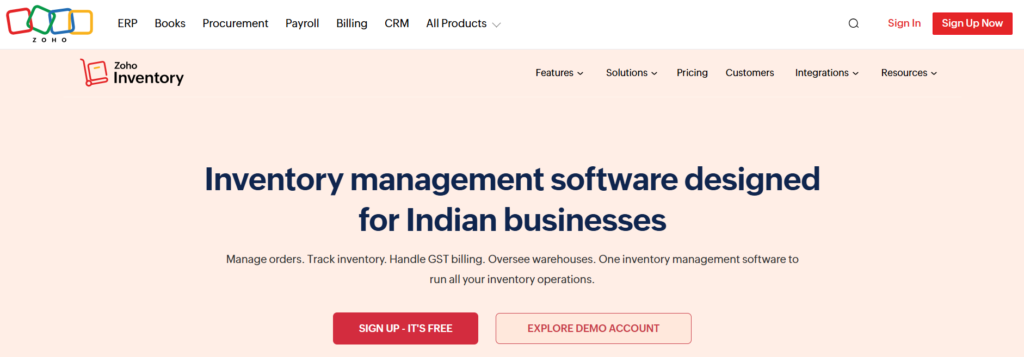
Zoho Inventory is a cloud-based solution designed for small and medium businesses. It helps track stock levels, manage orders, and monitor inventory in real time.
The software integrates with e-commerce platforms and accounting tools, making operations smoother. It reduces errors, improves accuracy, and simplifies daily tasks.
Zoho Inventory is easy to use and cost-effective, making it a good choice for businesses that want to improve their supply chain without complex systems.
Supply Chain Management in Construction and Real Estate
Supply chain management plays a critical role in construction and real estate projects because these projects depend heavily on timely material availability, proper coordination, and cost control. Unlike manufacturing, construction projects are site-based and involve multiple stakeholders, including contractors, suppliers, consultants, and clients. This makes effective supply chain management essential for smooth execution.
In construction, materials such as cement, steel, aggregates, and finishing items must reach the site as per the project schedule. Any delay in procurement or delivery can directly impact timelines and increase costs. That’s why project teams must plan procurement carefully, select reliable vendors, and monitor material movement continuously.
Supply chain management also improves coordination between different teams. It ensures that procurement, site execution, and project planning work together instead of in isolation. This alignment helps avoid material shortages, reduces wastage, and improves productivity on site.
In real estate projects, especially interior fit-outs, supply chain management becomes even more complex due to multiple materials, vendors, and tight deadlines. Using digital tools, real-time tracking, and efficient logistics systems helps improve visibility and decision-making.
By strengthening supply chain practices, construction and real estate professionals can complete projects on time, control budgets, and maintain quality standards, ultimately leading to better project outcomes and client satisfaction.
Conclusion
Supply chain management has become a key driver of efficiency and success in today’s fast-changing business environment. It helps organizations plan better, coordinate effectively, and ensure the smooth flow of materials, information, and resources. When managed properly, it reduces delays, controls costs, and improves overall productivity.
In industries like construction and real estate, strong supply chain management ensures that projects stay on schedule and within budget. It supports better decision-making and improves coordination between suppliers, contractors, and project teams.
As businesses face increasing competition and uncertainty in 2026, they must focus on building flexible and technology-driven supply chains. Tools like real-time tracking, automation, and data analytics are becoming essential for better performance.
Understanding supply chain management not only improves project outcomes but also opens up strong career opportunities. Professionals who develop these skills can adapt to challenges, make informed decisions, and contribute to long-term business success.
Supply Chain Management (FAQs)
The main objectives include reducing costs, improving efficiency, ensuring timely delivery, maintaining quality, and enhancing customer satisfaction.
It reduces costs by optimizing inventory, improving transportation planning, minimizing waste, and avoiding delays in operations.
Yes, supply chain management offers strong career growth across industries like construction, manufacturing, logistics, and e-commerce.
Also read,
- What is project management: Best Guide 2026
- Our Journey