

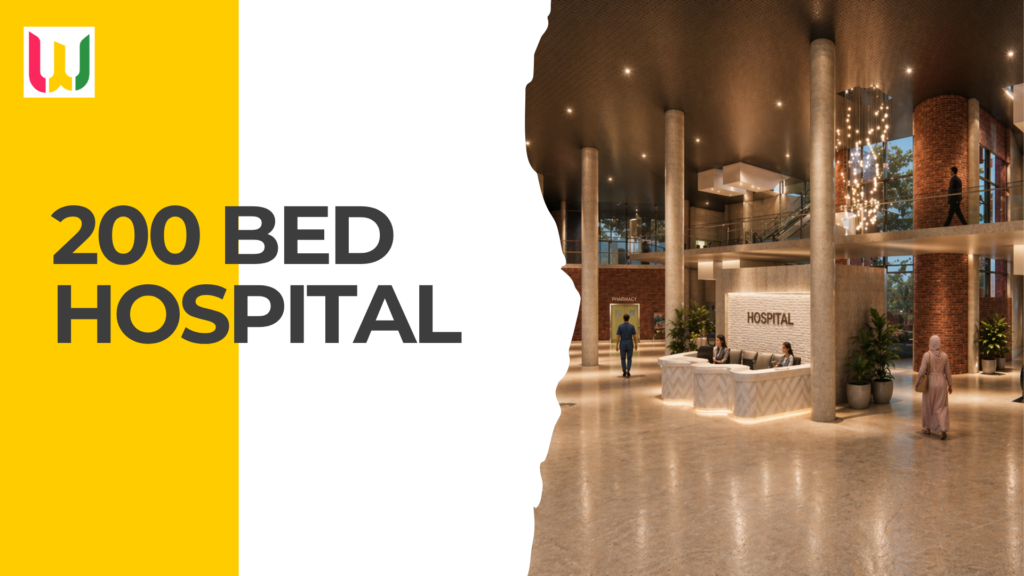
When we think about hospitals, most of us imagine long corridors, artificial lighting, and stressful environments. But what if a hospital could feel different—calm, welcoming, and connected to nature?
This idea became the foundation for our design of a 200-bedded hospital in Gurgaon, where the focus goes beyond treatment to create a space that actively supports healing. Designed by Afrah Husain and Hassan Warid, this project explores how architecture can reduce stress, improve recovery, and make healthcare spaces more humane.
Project Overview: Location, Scale, and Need
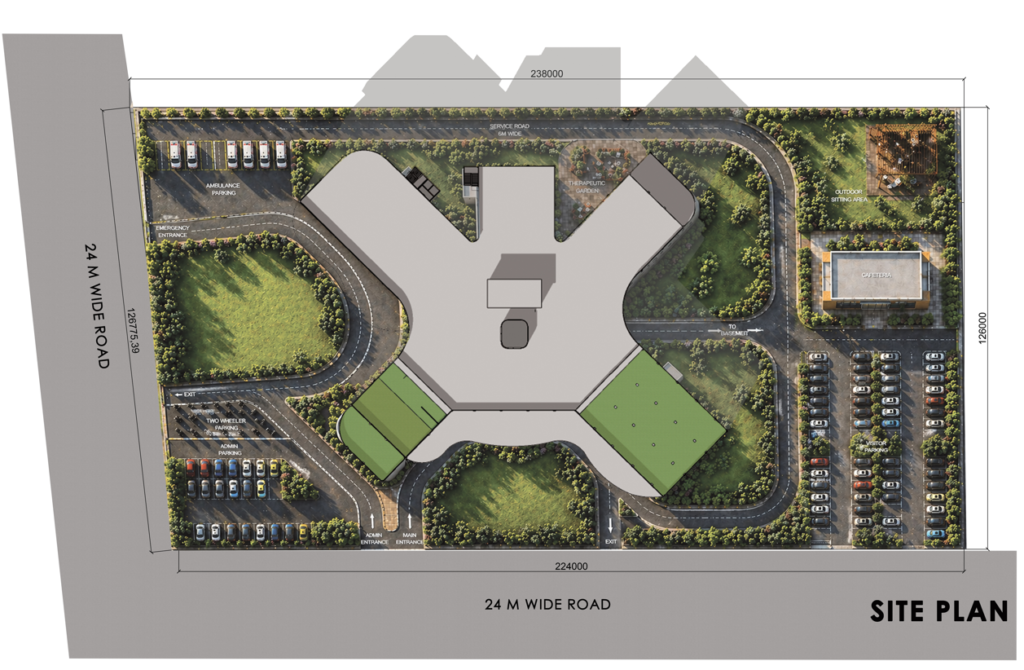
The hospital is located in Sector 67, Gurgaon, on a 7.2-acre site with excellent connectivity to major roads like NH-48 and SPR. This makes it easily accessible for emergency services, daily visitors, and medical staff.
With a capacity of 200 beds, the hospital is designed to serve a growing urban population, offering key departments like:
- General Medicine
- Surgery
- Pediatrics
- Gynaecology
- Orthopaedics
In a fast-developing city like Gurgaon, there is a strong need for well-planned healthcare infrastructure, and this project responds to that demand.
The Core Idea: Healing Through Design
The biggest question we asked while designing was simple:
“Can architecture help people heal faster?”
Our answer was yes.
As developed by us, the concept focuses on:
- Bringing in natural light
- Creating visual connections to greenery
- Reducing confusion through clear planning
- Designing spaces that feel less like institutions and more like places of care
This approach is often called healing architecture, and it is becoming increasingly important in modern hospital design.
Planning the Hospital: Making It Simple and Efficient
Hospitals can easily become confusing if not planned well. One of our main goals was to make the building easy to navigate and efficient to use.
Clear Zoning
We divided the hospital into different zones:
- Public areas (OPD, waiting, reception)
- Semi-private areas (wards, diagnostics)
- Restricted areas (ICU, OT)
- Service areas (basement functions)
This helps in:
- Reducing infection risks
- Improving workflow
- Making movement easier for everyone
Smart Circulation Design
Different users have different movement needs:
- Patients and visitors need clear, simple paths
- Doctors and staff need quick access
- Services need separate hidden routes
By separating these flows, the hospital becomes more organized and stress-free.
Floor Planning: Thoughtfully Organized Spaces
Ground Floor – First Impressions Matter
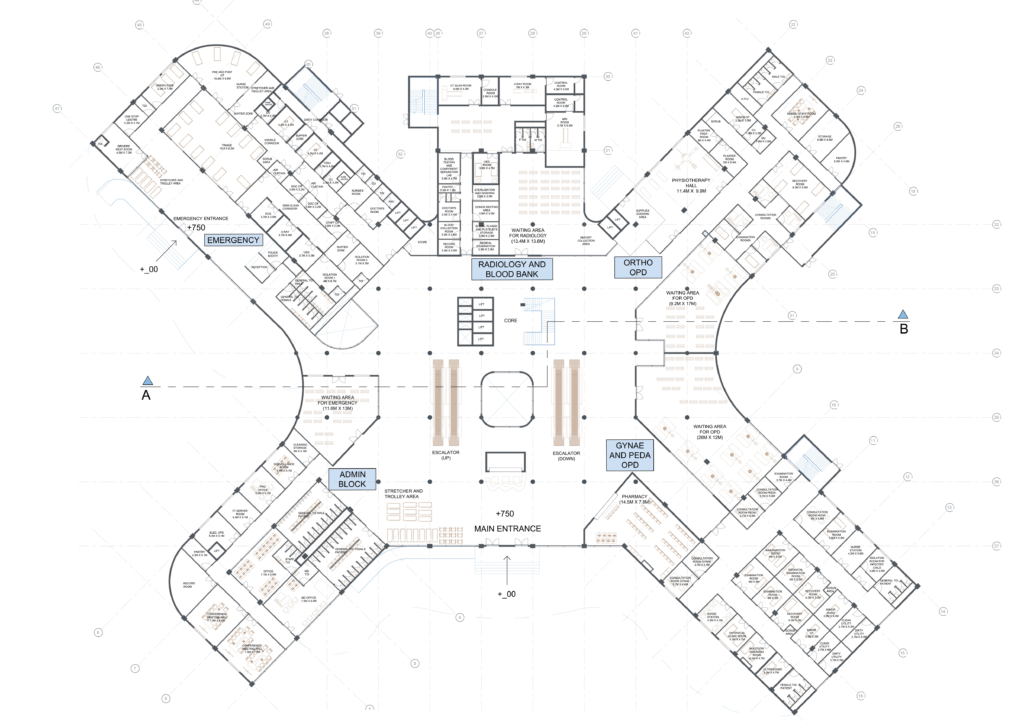
The ground floor is where most people enter, so it is designed to feel open, clear, and welcoming.
It includes:
- Emergency department
- OPDs
- Diagnostics
- Reception and waiting areas
A central atrium space helps people understand where they are and where to go, reducing confusion.
First Floor – Surgical and Critical Functions
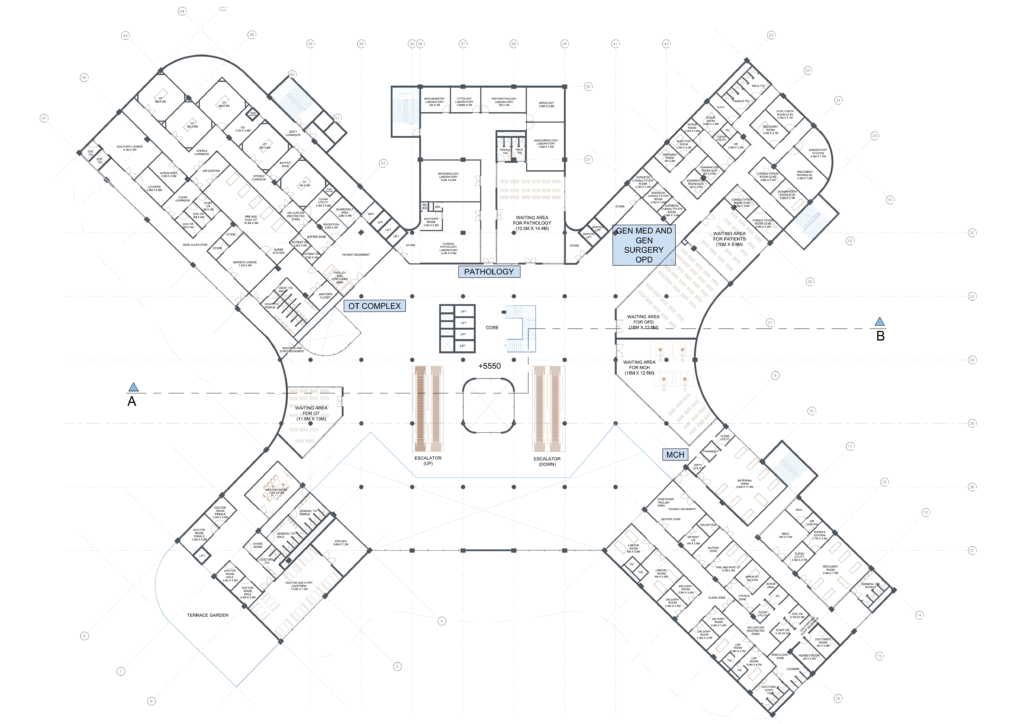
This floor houses:
- Operation theatres
- Labs
- Maternal and child care
Everything is planned to ensure:
- Sterility
- Quick movement
- Minimum delays
Second Floor – Care and Recovery
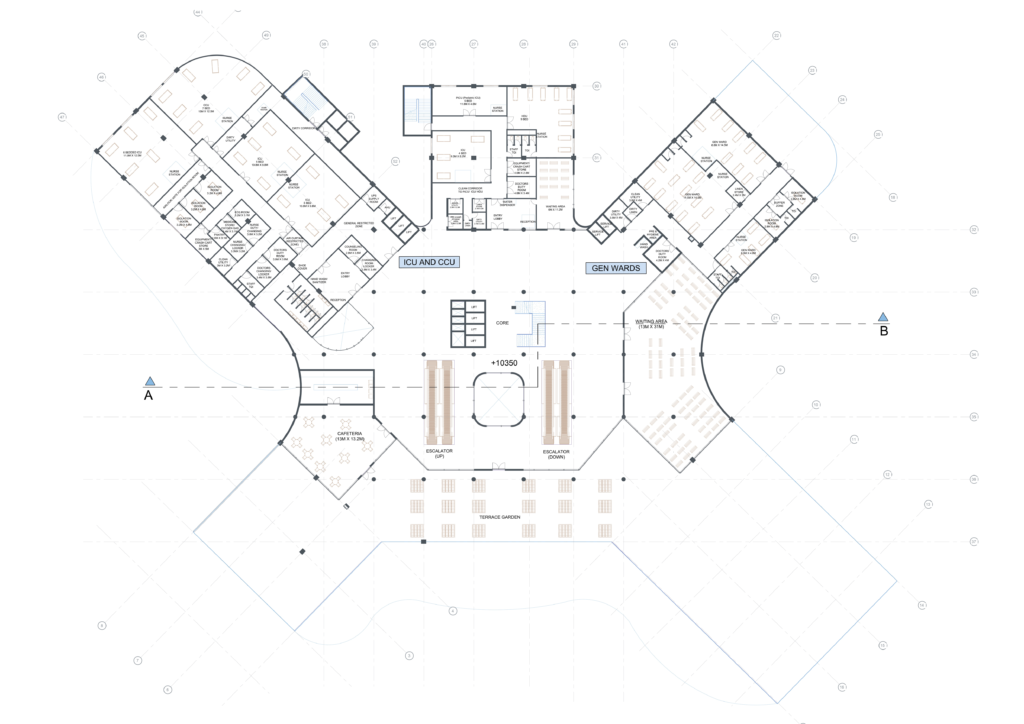
This level includes:
- ICU and critical care
- General wards
- A terrace garden
The terrace is not just a design feature—it is a healing space where patients and visitors can relax and feel connected to nature.
Third Floor – Comfort and Privacy
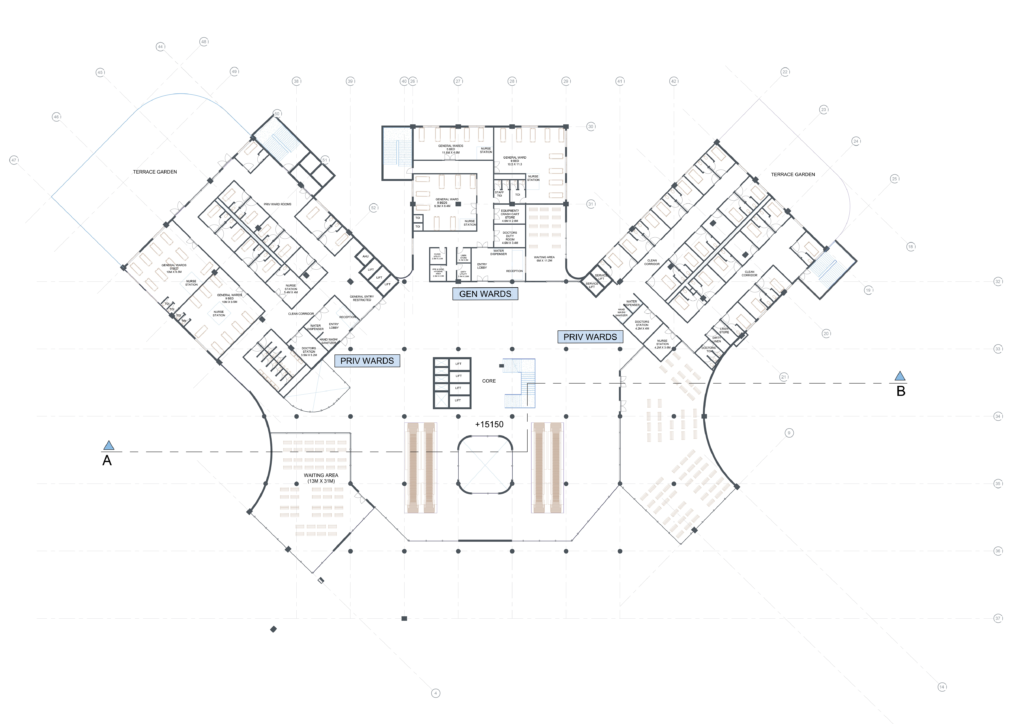
- Private wards
- General wards
Here, the focus is on:
- Comfort
- Natural light
- Quiet environment
Basements – The Invisible System
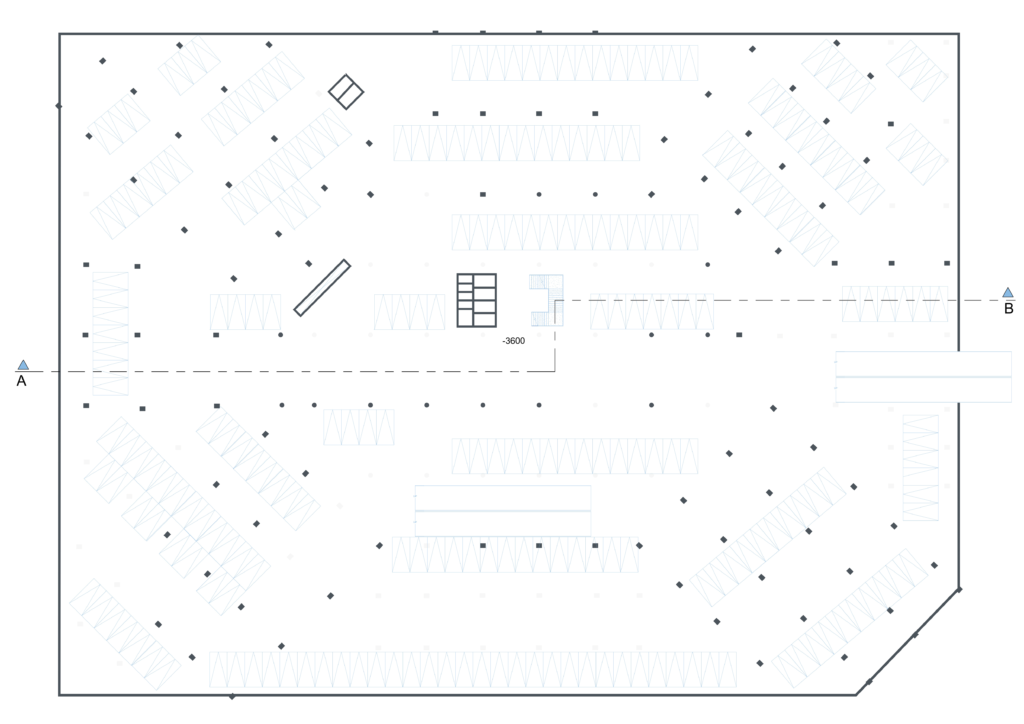
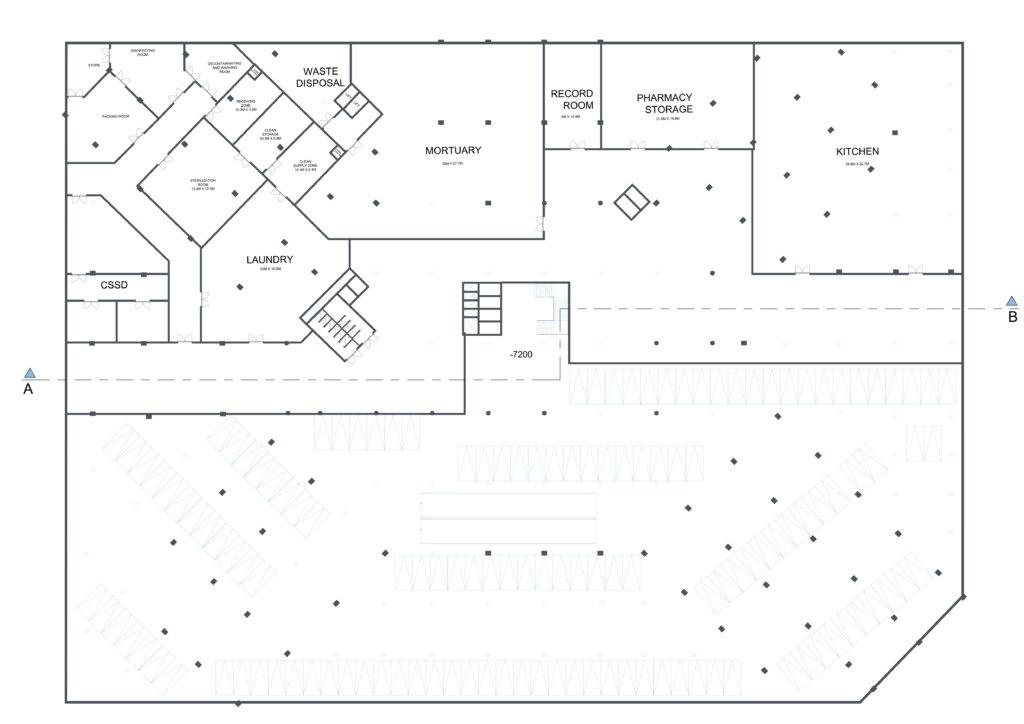
The basements handle:
- Parking
- Laundry
- Kitchen
- Storage
- Medical services
Keeping these functions below ground ensures the hospital remains clean, quiet, and efficient above.
Designing with Nature: Why It Matters
One of the strongest aspects of this project is its connection to nature.
We introduced:
- Healing gardens
- Green terraces
- Open spaces between building wings
These elements:
- Reduce stress
- Improve mental health
- Help patients recover faster
This idea was central to the design approach of Afrah Husain and Hassan Warid, making the hospital feel less clinical and more humane.
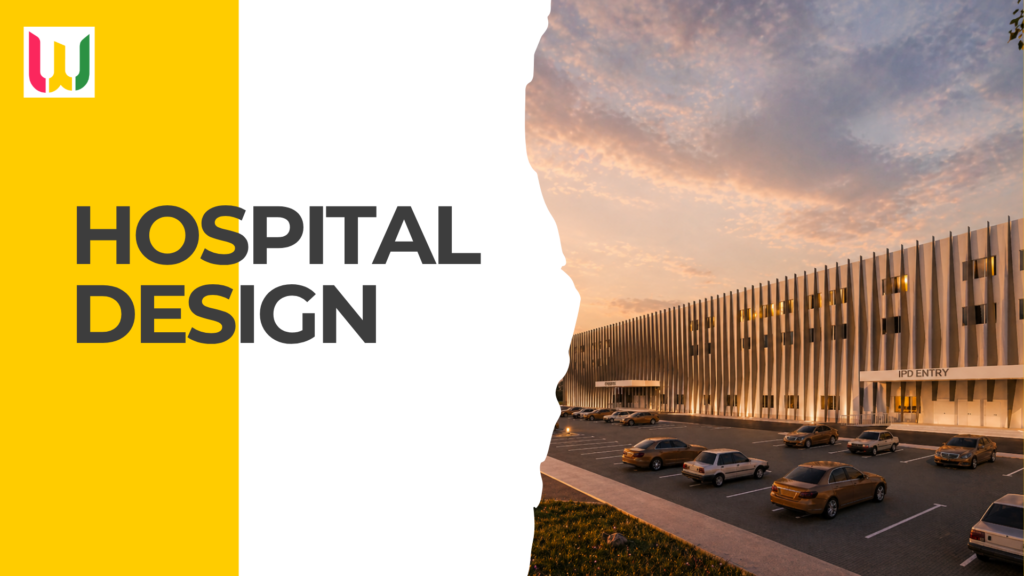
Facade Design: Creating a Friendly Identity
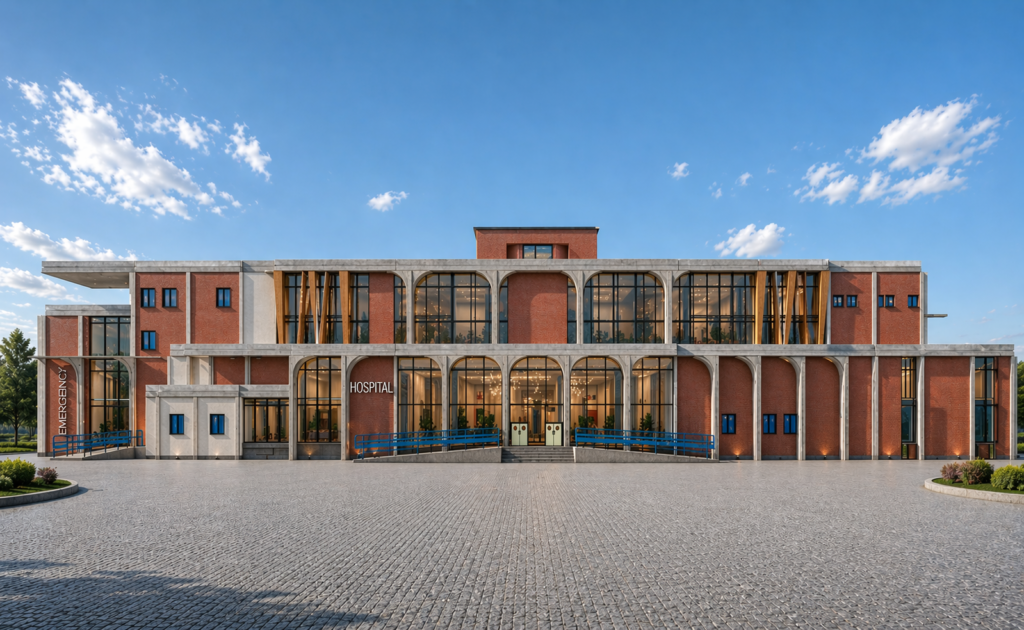
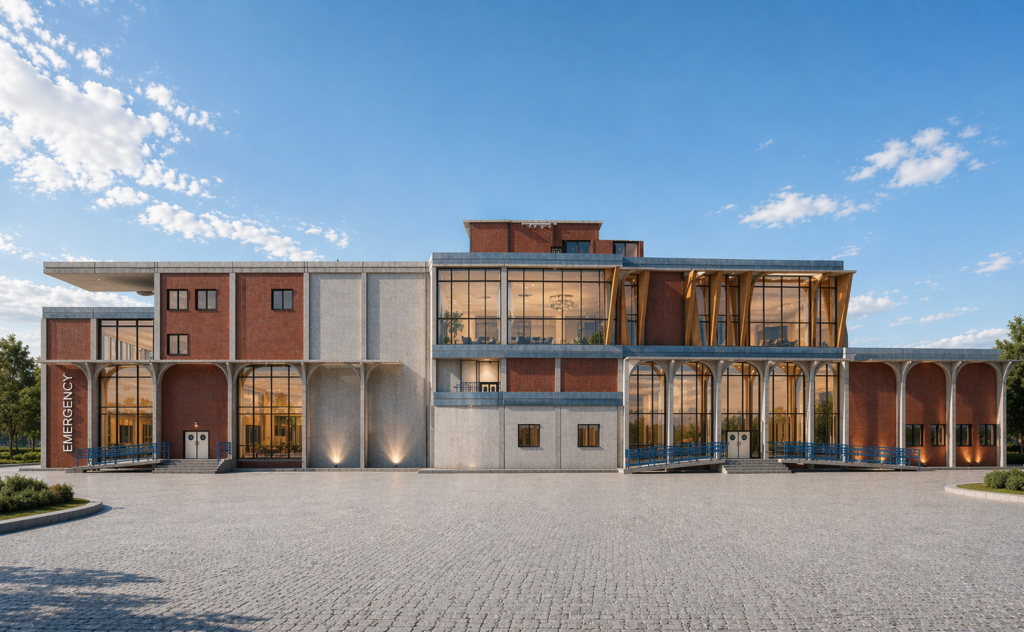
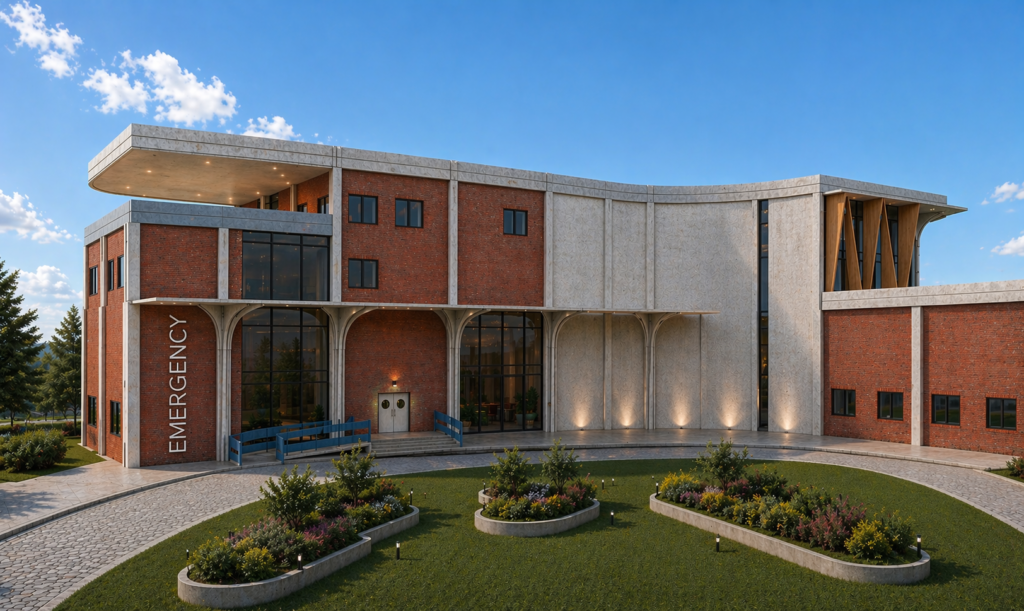
The outer look of a hospital plays a big role in how people feel about it.
We used:
- Exposed brick for warmth
- Concrete for strength
- Glass for openness
Features like arches and vertical fins help:
- Reduce heat
- Add depth
- Create a welcoming appearance
The goal was to make the hospital look trustworthy, modern, and approachable.
Inside the Hospital: A Better Experience
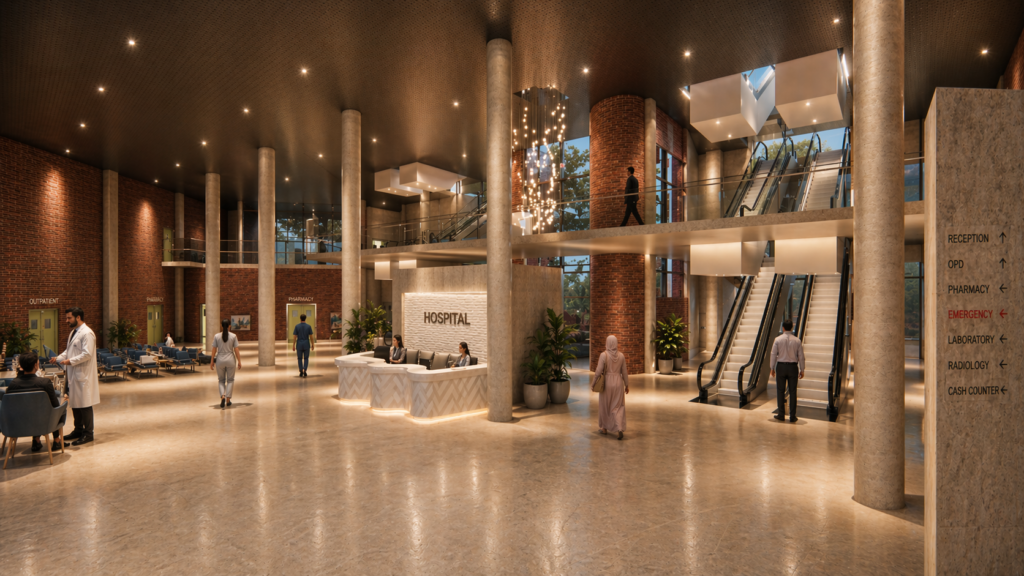
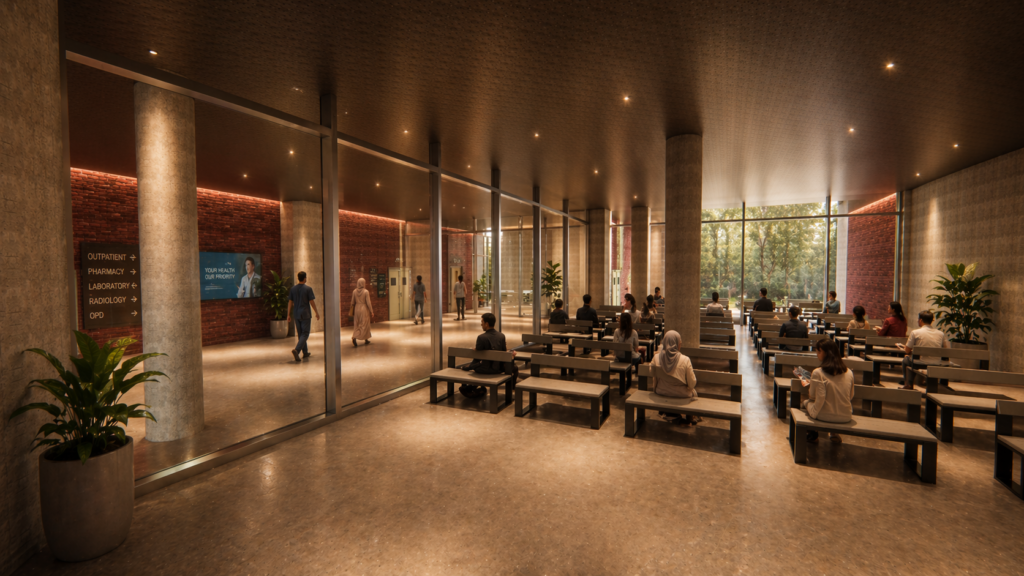
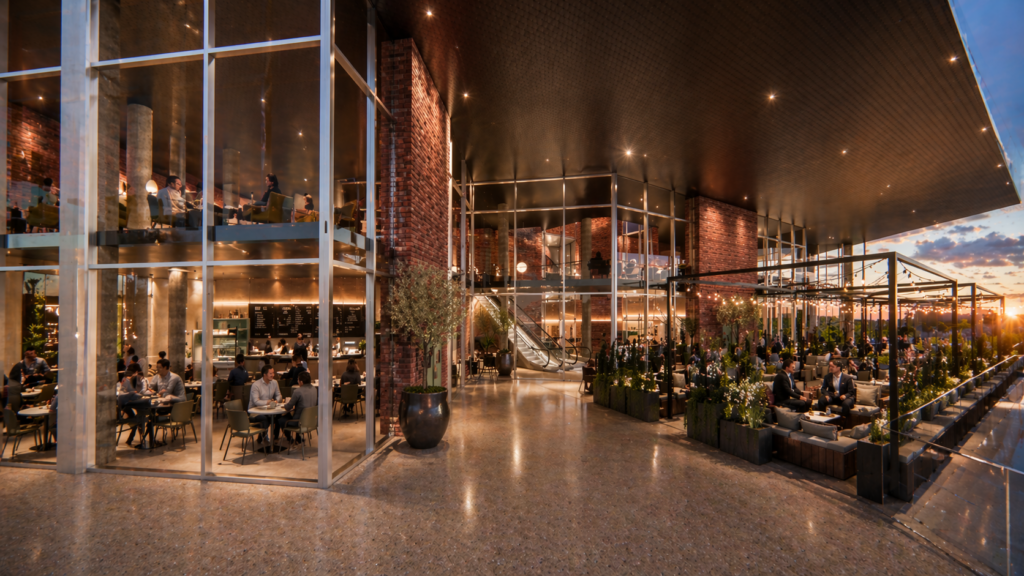
Hospitals can be stressful, so interior spaces are designed to feel:
- Calm
- Bright
- Comfortable
Key features include:
- Large entrance lobby
- Clear signage
- Comfortable seating
- Natural lighting
Instead of a cold environment, the hospital feels warm and supportive.
Climate and Sustainability
Gurgaon has a hot climate, so we designed the building to respond to it:
- Orientation reduces heat gain
- Shading devices protect interiors
- Natural ventilation improves comfort
- Green areas cool the surroundings
We also included:
- Water management systems
- Energy-efficient planning
This makes the hospital both environment-friendly and cost-efficient.
Why This Hospital Design Matters
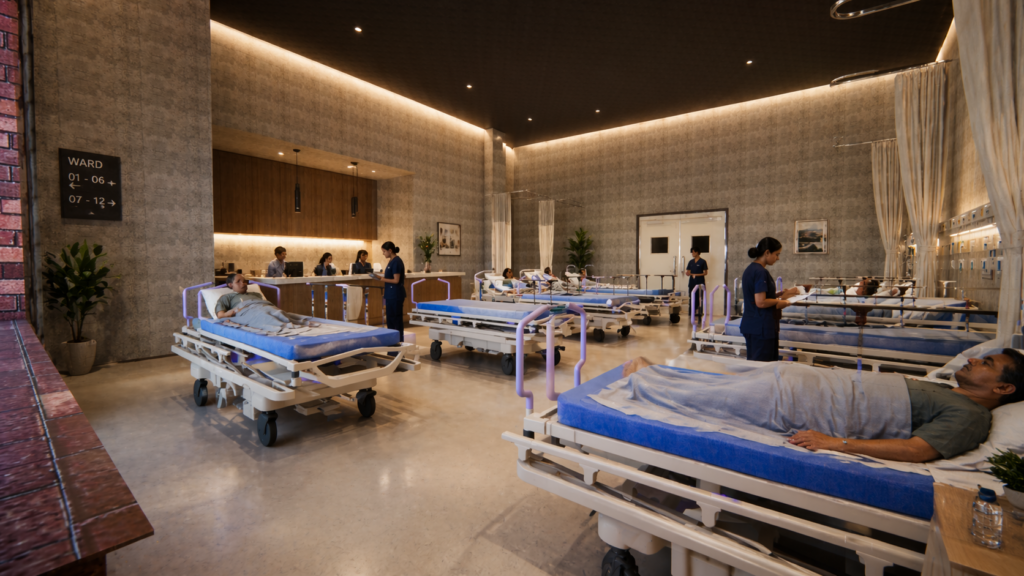
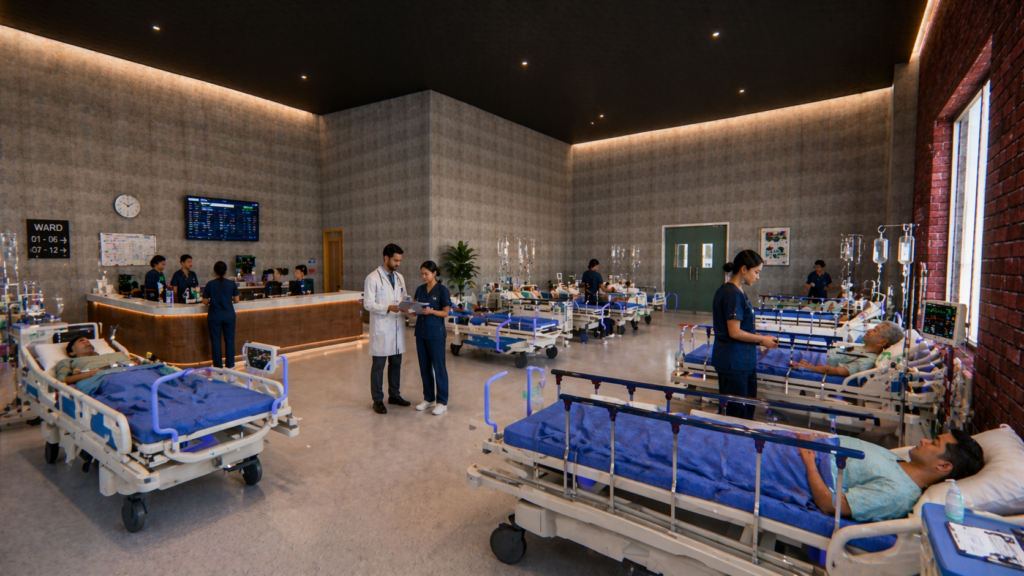
This project shows that hospitals don’t have to feel intimidating. With the right design approach, they can become places that:
- Support healing
- Reduce stress
- Improve user experience
- Create a sense of comfort and safety
- Help patients feel less anxious and more at ease
- Support doctors and staff in working more efficiently
A hospital is often a place people associate with fear and uncertainty. This design tries to change that perception. By focusing on light, openness, clear movement, and thoughtful spaces, it creates an environment that feels more welcoming and less overwhelming.
Small design decisions—like better waiting areas, natural ventilation, and easy circulation—can make a big difference in how people experience the space. It’s not just about treating illness, but about making the journey of healing smoother and more human.
Through this design, Afrah Husain and Hassan Warid aim to bring a fresh and thoughtful approach to healthcare architecture. As passionate designers and emerging leaders, they focus on creating spaces that care for people beyond just medical needs. Their vision is to design hospitals that are not only functional, but also warm, supportive, and easy to connect with.
They believe that good design has the power to improve lives—and this project is a step in that direction.
Conclusion: Beyond a Hospital
This 200-bedded hospital is not just a building—it is a place where people come to feel better, both physically and emotionally.
It reflects a simple but important shift:
From hospitals being only treatment centers → to spaces that truly support healing.
The design focuses on comfort, clarity, and care. Natural light, ventilation, and materials like exposed brick and concrete help create a calm and welcoming environment. The aim is to reduce fear and stress, and instead offer a sense of ease—for patients, families, and even the staff.
Because healing is not just about medicine—it is also about how a space makes you feel.
At the heart of this vision are Afrah Husain and Hassan Warid—young designers, thoughtful planners, and emerging leaders who believe that architecture can directly impact human well-being. Their approach goes beyond functionality; it reflects sensitivity, responsibility, and a deep understanding of user experience. As design enthusiasts, they bring fresh thinking into healthcare architecture, focusing on spaces that feel human, not institutional.
Through this project, they aim to set a direction for future healthcare design—one that is not only efficient, but also empathetic and inclusive.
In the end, this is not just a hospital.
It is a space designed with care—by designers who believe in creating better, more meaningful environments for people.
FAQs
Healthcare architecture is the design of hospitals and medical spaces that support both treatment and healing. It focuses on creating environments that are functional, comfortable, and easy to use for patients, visitors, and healthcare staff.
Hospital design supports healing by using natural light, good ventilation, and simple, clear layouts. These elements help reduce stress, improve mood, and create a calm environment that supports faster recovery.
Patient-centered design focuses on the needs and comfort of patients. It includes easy navigation, privacy, better waiting areas, and spaces that feel welcoming instead of clinical.
User experience is important because hospitals can feel confusing and stressful. Good design makes spaces easier to understand, reduces anxiety, and helps patients, visitors, and staff move comfortably through the building.
This hospital design by Afrah Husain and Hassan Warid focuses on creating a healing environment instead of just a treatment space. It combines comfort, natural elements, and simple materials to improve the overall experience for everyone.
Also Read:



3 thoughts on “200 Bedded Hospital Design in Gurgaon”