
When people ask what is real estate in India, the short answer is property-land, buildings, and everything attached to them.
But if you have ever dreamed of buying your first home, planned to invest in a plot, or wondered how property creates wealth, you already know that real estate is more than just land or a house. It represents security, stability, and financial growth.
In India, having property is frequently regarded as a significant achievement in life. Families save for years to buy a home, while investors view real estate investing as one of the most reliable ways to build wealth.
From generating rental income to enjoying long-term appreciation, real estate plays a role in both personal and financial success.
In this guide, we will take you through mostly everything you need to know about real estate in India.
We will look at what it means, its different types, why it matters, how experts value property, the laws that govern it, and how you can approach investing with confidence.
Estimated reading time: 9 minutes
Key Takeaways
- Real estate in India includes property, land, and buildings, symbolizing security and financial growth.
- It divides into four main types: residential, commercial, industrial, and land, each serving different purposes.
- Valuation methods rely on cost, price, and value, and encompass approaches like income, market, and cost.
- Laws like RERA and the Transfer of Property Act protect buyers and ensure transparency in real estate transactions.
- The future of real estate in India looks promising due to urban development, technology, and increasing demand for housing.
What is Real Estate?
Real estate is immovable property. It includes land, buildings, and the natural resources that are permanently attached to the land.
When you buy a flat, own a shop, lease a warehouse, or even hold an agricultural plot, you’re dealing with real estate.
But there is more to it than just the physical structure. Real estate denotes the physical property, whereas real property signifies your ownership rights.
For example, if you own a house, the house and land make up the real estate. Your right to sell it, rent it, gift it, or pass it on to your children-that is your real property. Those rights give property its real power and value.
Types of Real Estate in India

Not all property is the same. There are four primary categories into which real estate is divided in India.
- Residential real estate includes homes where people live-houses, apartments, bungalows, or villas. This segment is the most popular, as owning a home remains a dream for millions of families. Affordable housing projects, luxury apartments, and suburban plots all fall into this category.
- Commercial real estate focuses on business. Think of shops, showrooms, offices, malls, hotels, and co-working spaces. Businesses rent or buy these spaces to earn profits. Because of this, commercial property often provides higher rental yields compared to residential property.
- Industrial real estate powers production and logistics. Factories, warehouses, and cold storage facilities belong here. Developers usually build these on the outskirts of cities or in industrial zones where land is cheaper and infrastructure supports operations.
- Land can be agricultural or non-agricultural, vacant plots, or undeveloped land with future potential. Since no one can produce more land, its value tends to rise steadily over time, especially as urban areas expand.
Why Real Estate Matters
So why does real estate matter so much? The answer lies in how deeply it connects with human life and economic progress.
Real estate satisfies people’s basic demand for housing. A home offers security, privacy, and dignity. Beyond that, property also creates wealth.
As values rise over time, families pass on assets from one generation to the next. Rental income provides regular financial support, and property ownership opens the door to loans and credit.
Real estate serves as a significant growth engine on a national scale. By 2030, it may account for 12% of India’s GDP, up from its current 7–8% share.
The industry supports sectors like glass, steel, and cement. Additionally, it generates millions of jobs for laborers, brokers, architects, and engineers.
Real estate also shapes the way we live together. Housing societies bring schools, hospitals, and shopping centers.
Business parks create jobs and demand for new transport networks. In every sense, property drives both private comfort and public development.
How Real Estate Valuation Works
Whenever property changes hands-whether you are buying, selling, leasing, or mortgaging-one question always comes up: What is this property worth? The answer comes through valuation.
Valuation is the process of estimating a property’s fair market worth. It involves three key ideas: cost, price, and value.
- Cost is the money spent on building or acquiring the property.
- Price is the amount someone actually pays in a deal.
- Value is the fair market worth under normal conditions.
Suppose you spent ₹70 lakh building a house. The asking price is ₹95 lakh. Buyers in your area are willing to spend around ₹ 88 lakh. In this case, your asking price is ₹95 lakh, your cost is ₹70 lakh, and the market value is ₹88 lakh.
Several factors influence valuation. Economic factors include demand, supply, and loan availability. Social factors include lifestyle changes, population growth, and migration. Legal factors cover ownership rights, zoning, and laws like RERA. Technical factors include plot size, construction quality, and accessibility.
Approaches to Property Valuation
There are three main approaches to estimate property value.
- The income approach works for properties that generate income, such as rental apartments, malls, or hotels. Valuers calculate expected rental returns or business profits and convert them into present value.
- The market approach compares your property with similar ones sold recently. It’s widely used for homes, plots, or resale flats. In commercial areas, valuers may apply the belting method, which values land based on its depth from the main road.
- The cost approach suits properties that don’t directly produce income, such as schools or temples. Valuers add land value to construction cost, then deduct depreciation to arrive at the current value.
These approaches help create a fair and realistic picture of property worth, which buyers, sellers, and lenders rely on.
Laws That Govern Real Estate in India

Property in India comes with a complex legal system that protects buyers, sellers, and investors. Let’s look at the most important ones.
The Transfer of Property Act, 1882 sets the foundation. It defines immovable property and explains how you can transfer it—through sale, mortgage, lease, exchange, or gift.
The Indian Easement Act, 1882 grants rights like access to light, air, or drainage. The Indian Succession Act, 1925 governs inheritance if someone dies without a will. The Land Acquisition Act, 2013 makes sure the government pays fair compensation when it acquires land for public projects.
The Indian Contract Act, 1872 ensures property agreements remain legally binding. The Real Estate (Regulation and Development) Act, 2016 (RERA) has transformed the sector. It requires builders to register projects, disclose details, and stick to timelines. If they delay or cheat, buyers can hold them accountable.
Other key laws include the SARFAESI Act, 2002, which lets banks auction properties of loan defaulters, and the Insolvency and Bankruptcy Code, 2016, which protects homebuyers if a developer goes bankrupt.
Environmental regulations, building bye-laws, and zoning rules also decide how land can be used.
Together, these laws bring transparency, fairness, and accountability to India’s real estate market.
Ownership and Possession
In India, property ownership takes different forms. You can own a property individually (sole ownership) or share it equally with others (joint tenancy).
Co-owners may hold unequal shares in a tenancy in common. Property may also be owned by groups, corporations, and trusts.
Possession refers to control over property. Physical possession means you actually live in or use the property.
Legal possession means the law recognizes your right, even if you’re not physically present. Courts sometimes grant symbolic possession in disputes. Understanding both ownership and possession helps you avoid disputes and protect your rights.
Real Estate Investing in India
For most Indians, property is not just about shelter it is an investment. People buy homes to live in, but they also invest in real estate for wealth creation, rental income, and financial security.
There are many ways to invest. Residential properties work for self-use and rental. Commercial spaces like shops and offices provide higher returns but need bigger budgets.
Land investments offer high appreciation potential, especially near growing cities. Warehouses and industrial properties are becoming attractive with the boom in e-commerce.
For small investors, Real Estate Investment Trusts (REITs) provide a way to invest in large commercial properties without buying them directly.
The benefits of real estate investing are clear-steady appreciation, rental income, and protection against inflation. But risks exist too. Property is expensive, hard to sell quickly, and often tied up in legal paperwork.
Market downturns can also reduce returns. That’s why you must always verify ownership, check RERA registration, and study market trends before investing.
The Future of Real Estate in India
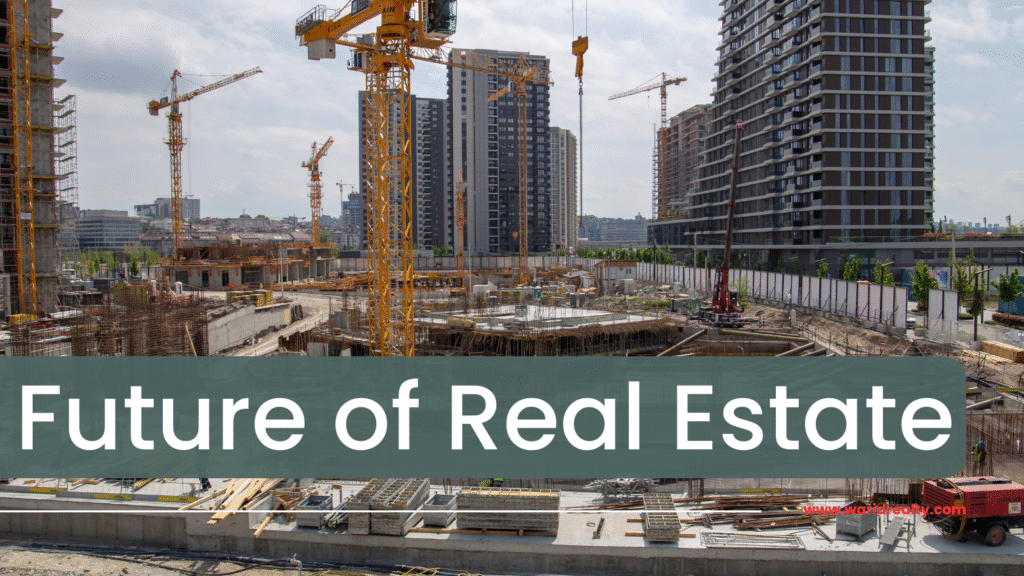
India’s real estate sector is moving fast. The government’s focus on affordable housing and urban development is opening new opportunities.
Smart city projects are reshaping infrastructure, while housing schemes like PMAY are bringing homeownership closer to more people.
Technology is also changing the game. Digital land records, AI-based valuations, and property platforms make transactions more transparent. Green buildings and eco-friendly designs are gaining importance.
New models like fractional ownership and co-living are making property more flexible and accessible.
Experts expect steady growth in urban real estate, driven by reforms, rising incomes, and rapid urbanization.
Conclusion
Real estate is more than just land and buildings—it’s about dreams, security, and growth. It gives families shelter, provides investors with reliable returns, and drives India’s economy forward.
With strong laws like RERA, clear valuation methods, and expanding opportunities, the Indian real estate market is becoming more transparent and trustworthy.
Whether you’re buying your first home, investing in a plot, or exploring commercial property, understanding what real estate is and how real estate investing works will help you make smarter choices.
Real estate remains one of the most powerful ways to build wealth and shape the future of our communities.
Real Estate in India FAQs
It means buying property to earn rental income, profit from resale, or gain long-term appreciation.
It forces developers to register projects, disclose details, and deliver on time, protecting buyers from fraud and delays.
Income approach, market approach, and cost approach.
Yes. With growing cities, rising demand, and stronger laws, property continues to offer stability and returns.
Also read:
- Real Estate Broker: Property Value Guide 2026
- Real Estate Agent: Manage Property 2026
- Property Management Guide: Manage Real Estate 2026
2 thoughts on “Real Estate in India 2026: Laws, Valuation & Investment”