
Real estate is one of the most dynamic sectors in the world. Whether you’re buying your dream home, investing in commercial property, or selling land, one professional stands at the center of every successful transaction — the Real Estate Agent.
In today’s fast-moving property market, where values fluctuate and paperwork can be overwhelming, a skilled real estate agent acts as your navigator. They manage negotiations, paperwork, pricing, marketing, and client expectations — all while ensuring smooth property transactions.
This article explores everything you need to know about real estate agents — their roles, how to evaluate them, career growth, commissions, and the bright future that awaits this profession. If you’ve ever wondered what makes a real estate agent essential in managing real estate, keep reading.
Estimated reading time: 7 minutes
Key Takeaways
- Real Estate Agents play a crucial role in property transactions, managing negotiations, paperwork, and client expectations.
- The demand for Real Estate Agents is rising due to urban expansion, a growing middle class, and increased investment opportunities.
- To succeed as a Real Estate Agent, one must possess strong communication skills, negotiation ability, and market awareness.
- Career opportunities for Real Estate Agents extend beyond sales to roles like property consultant, real estate broker, and investment advisor.
- A successful Real Estate Agent builds trust, fosters relationships, and adapts to changes in the market.
The Role of a Real Estate Agent

A Real Estate Agent bridges the gap between property buyers and sellers. Their main job is to help clients buy, sell, or rent properties while ensuring the best possible deal.
They are not just salespeople; they are advisors, negotiators, marketers, and problem-solvers. Whether it’s a residential flat, a commercial office, or a piece of land, a real estate agent manages all the complex steps that come with real estate transactions.
Key responsibilities include:
- Listing properties for sale or rent.
- Conducting market research to set fair prices.
- Advertising and marketing properties online and offline.
- Arranging property visits and open houses.
- Negotiating offers between buyers and sellers.
- Managing paperwork, legal documents, and closing deals.
A good real estate agent doesn’t just complete transactions — they build relationships and trust, turning one-time clients into lifelong partners.
Importance of a Real Estate Agent
Real estate transactions are often high-value and emotionally charged. Buyers want the best property within budget, while sellers want maximum returns. Managing this balance requires knowledge, patience, and strong communication — exactly what a professional real estate agent offers.
Here’s why real estate agents are crucial:
- Market Knowledge: Agents understand local property trends, demand-supply ratios, and price ranges.
- Time Saving: They handle calls, visits, and negotiations on your behalf.
- Legal Guidance: They ensure all documents comply with laws and regulations.
- Negotiation Skills: Agents negotiate the best deal possible for their clients.
- Professional Networking: They connect with builders, brokers, lawyers, and bankers to speed up the process.
A real estate agent transforms complex property dealings into smooth, manageable experiences.
Real Estate Agent: Future Demand
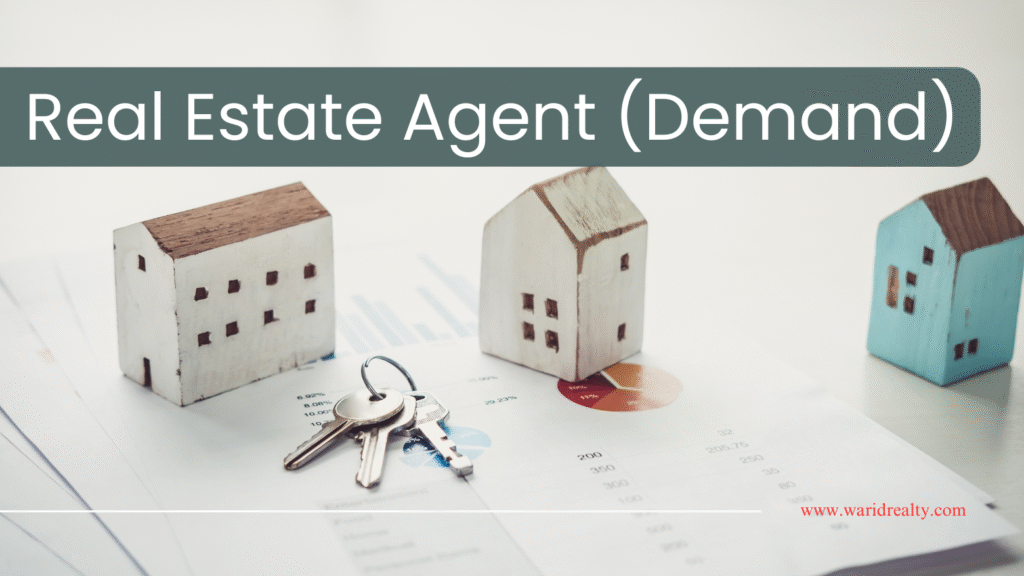
The future of Real Estate Agents looks exceptionally bright. As urbanization, infrastructure growth, and real estate investments rise, the demand for qualified agents continues to soar.
1. Urban Expansion
Cities are expanding rapidly. New housing projects, industrial zones, and smart cities require skilled agents to manage sales and leases.
2. Growing Middle Class
A rising middle-class population is boosting demand for affordable housing. Every new buyer or tenant needs an agent for assistance in finding suitable property.
3. Digital Real Estate Platforms
Online property listings have changed the way agents work. Now, agents use technology, virtual tours, and data analytics to match clients with ideal properties faster.
4. Investment Growth
Real estate is one of the most preferred investment options. Domestic and foreign investors rely on agents for guidance, market insights, and deal closures.
5. Commercial and Industrial Real Estate Boom
With the growth of start-ups, warehousing, and retail sectors, agents specializing in commercial and industrial properties are in high demand.
Future Outlook:
- Roles will expand beyond sales to include real estate consulting, property management, and investment advisory.
The future clearly belongs to tech-savvy, ethical, and customer-focused real estate agents.
How to Become a Real Estate Agent
Becoming a successful Real Estate Agent is not just about selling properties; it’s about mastering communication, building relationships, and understanding markets deeply.
Step 1: Educational Qualifications
Most agents start after completing basic education. In India and many countries, a bachelor’s degree in business, marketing, or real estate provides a strong foundation.
Step 2: Get Licensed
Every country or state requires agents to have a license. You must:
- Complete pre-licensing training.
- Pass the official real estate licensing exam.
- Register with your local real estate authority or board.
Step 3: Choose Your Niche
Select a focus area such as:
- Residential Real Estate
- Commercial Properties
- Industrial Real Estate
- Land and Development Projects
- Luxury Real Estate
Step 4: Gain Experience
Work under a senior agent or a real estate firm. Learn negotiation, documentation, client management, and marketing from real-world practice.
Step 5: Build Your Network
Successful agents grow through referrals. Attend real estate expos, join online communities, and collaborate with mortgage brokers, developers, and legal professionals.
Step 6: Stay Updated
Real estate laws, technology, and trends change constantly. Continue learning through online courses, workshops, and certifications.
Pro Tip: A mix of people skills, digital marketing knowledge, and ethical business practices creates the most successful real estate agents.
Qualities of a Successful Real Estate Agent
To stand out, a Real Estate Agent must possess more than just knowledge of the property market. Here are the key qualities that define top professionals:
- Strong Communication Skills – Clear communication builds trust.
- Negotiation Ability – Closing deals at the best price requires tact and patience.
- Honesty and Integrity – Ethical agents earn long-term respect and referrals.
- Market Awareness – Understanding trends and pricing helps clients make informed decisions.
- Problem-Solving Mindset – Every client’s need is unique; agents must find tailored solutions.
- Networking Skills – Maintaining a strong network ensures steady business flow.
- Adaptability – Market fluctuations require flexible strategies.
- Tech Savvy – Modern agents use digital tools for listings, virtual tours, and customer management.
A blend of professionalism, empathy, and market knowledge separates the best agents from the rest.
How to Evaluate a Real Estate Agent

Evaluating a Real Estate Agent is essential before trusting them with your property needs. Start by checking if the agent holds a valid license and registration under the local real estate authority, as this ensures professionalism and legal compliance. Review their experience and past performance — experienced agents usually handle negotiations, pricing, and documentation more effectively. Ask for client testimonials or references to gauge their reliability and service quality. A good agent communicates clearly, provides transparent information, and understands current market trends. Finally, discuss their commission structure upfront to avoid hidden costs. Choosing the right real estate agent helps ensure smooth transactions and better property deals.
Career Opportunities for Real Estate Agents
Real estate is not limited to property sales. A Real Estate Agent can explore diverse career paths:
- Property Consultant
- Real Estate Broker
- Leasing Manager
- Property Manager
- Investment Advisor
- Luxury Property Specialist
- Real Estate Marketing Expert
As the industry grows, agents can move into leadership roles, start their own firms, or specialize in luxury, commercial, or international real estate.
Conclusion
The world of real estate thrives on trust, expertise, and relationships — all of which are embodied in a Real Estate Agent. They don’t just sell or rent properties; they manage dreams, investments, and life-changing decisions.
From guiding first-time homebuyers to helping investors find profitable deals, real estate agents remain indispensable. With digital innovation and growing market demand, the profession promises a bright and rewarding future.
Whether you’re planning to buy property, hire an agent, or start your career in real estate, remember this — the right Real Estate Agent can make every deal smarter, faster, and more successful.
Real Estate Agent (FAQ)
A real estate agent helps clients buy, sell, or rent properties while managing negotiations, paperwork, and legal formalities.
Strong communication, negotiation, market knowledge, and digital marketing skills are essential.
Agents find clients through property listings, referrals, social media marketing, networking events, and collaborations with developers, mortgage lenders, and other agents.
Also read,
- Real Estate Agent Salary: 2026 Rewarding or Not
- Real Estate Investing: All In One Guide
- Dubai Real Estate Guide: Investors, Developers and RERA
- Real Estate In India: Guide 2026
- Real Estate Companies in Dubai: 2026
1 thought on “Real Estate Agent: Manage Real Estate Like a Pro 2026”