Imagine owning several rental properties across the city – apartments, offices, or even warehouses – and watching your income grow month after month without worrying about tenant complaints, late payments, or maintenance emergencies. Sounds like a dream? In reality, this is what happens when Property Management is done right.
Property management is not just about collecting rent or fixing leaky faucets. It’s the art and science of maximising property value while ensuring tenants are satisfied and the property remains legally and financially sound.
It involves planning, organisation, people skills, and knowledge of the real estate market.
Whether you are an individual landlord, a housing society member, or an investor managing multiple buildings, learning how to manage real estate effectively can make the difference between profit and loss.
This comprehensive guide will help you master the fundamentals of property management – from understanding why it’s essential, identifying its challenges, and exploring different categories, to evaluating property managers, reviewing legal documentation, and leveraging technology through modern management systems.
By the end, you’ll not only understand how professionals manage properties but also gain practical insights to handle your own like a pro.
Key Takeaways
- Property Management is crucial for maximizing property value and ensuring tenant satisfaction.
- It involves tasks such as rent collection, maintenance, legal compliance, and tenant relations.
- The article outlines the responsibilities, challenges, and benefits of effective property management.
- Different categories of property management include residential, commercial, industrial, and special-purpose properties.
- Using a Property Management System (PMS) automates tasks and enhances efficiency, contributing to sustainable profitability.
Estimated reading time: 11 minutes
Need for Property Management
Real estate is one of the most stable forms of investment. However, property value and income depend heavily on how well it’s managed. Let’s explore why property management plays such a crucial role in the success of your investment.
1. Maximizing Returns on Investment (ROI)
A vacant or poorly managed property drains finances instead of generating income. Proper management ensures that rent is collected on time, tenants are retained longer, and operational costs are minimized. Property managers analyze market conditions to adjust rents strategically, ensuring consistent and competitive revenue.
2. Preserving Property Value
Regular maintenance keeps the property’s structure, aesthetics, and systems in good condition. Scheduled inspections help detect minor issues early before they turn into costly repairs. A well-maintained property not only looks attractive but also appreciates faster in market value.
3. Ensuring Legal Compliance
Every property is subject to regional laws regarding tenant rights, safety regulations, taxation, and rent control. Property management ensures that all legal obligations – from lease drafting to eviction procedures – are handled properly, avoiding lawsuits or penalties.
4. Reducing Owner Workload and Stress
Dealing with tenant complaints, repairs, or accounts can be exhausting. Professional property management services take over these responsibilities, allowing owners to focus on growing their investment portfolio rather than day-to-day operations.
5. Building Tenant Relationships
Tenants who feel valued stay longer. Through regular communication, prompt service, and transparency, property managers build trust, reducing turnover and maintaining stable occupancy rates.
6. Data and Market Insights
Modern property managers use software and analytics tools to track market trends, forecast rent changes, and identify cost-saving opportunities. These insights help owners make informed decisions.
Constraints in Managing Properties
While property management brings great benefits, it also presents real-world challenges. Understanding these constraints helps you plan better and avoid costly mistakes.
1. Time and Operational Pressure
Property management demands constant attention. Between collecting rent, inspecting facilities, and resolving maintenance issues, owners can quickly feel overwhelmed -especially when managing multiple properties.
2. Legal and Regulatory Hurdles
Laws around tenancy, eviction, taxation, and safety codes can change frequently. A minor oversight in legal compliance can lead to disputes or fines. Staying updated and maintaining documentation is critical.
3. Maintenance Delays and Emergencies
Unexpected breakdowns, such as plumbing leaks, electrical faults, or pest problems, can occur at any time. Delayed responses lead to tenant dissatisfaction and potential damage.
4. Tenant Screening Issues
Finding reliable tenants who pay rent on time and care for the property can be difficult. Without a proper screening process, owners risk defaults or property damage.
5. Financial Mismanagement
Poor record-keeping, irregular rent collection, or unplanned expenses can quickly impact cash flow. Property managers must maintain accurate ledgers, receipts, and budgets.
6. Market Instability
Real estate markets fluctuate due to economic trends, infrastructure developments, or interest rate changes. Property managers must adapt strategies to maintain occupancy and rental income.
7. Technology Gap
Many small property owners still rely on manual processes. Without property management systems (PMS), tracking finances, leases, and maintenance tasks becomes time-consuming and error-prone.
Despite these challenges, proactive planning, automation, and professional management can ensure smooth operations and consistent profitability.
Categories of Property Management
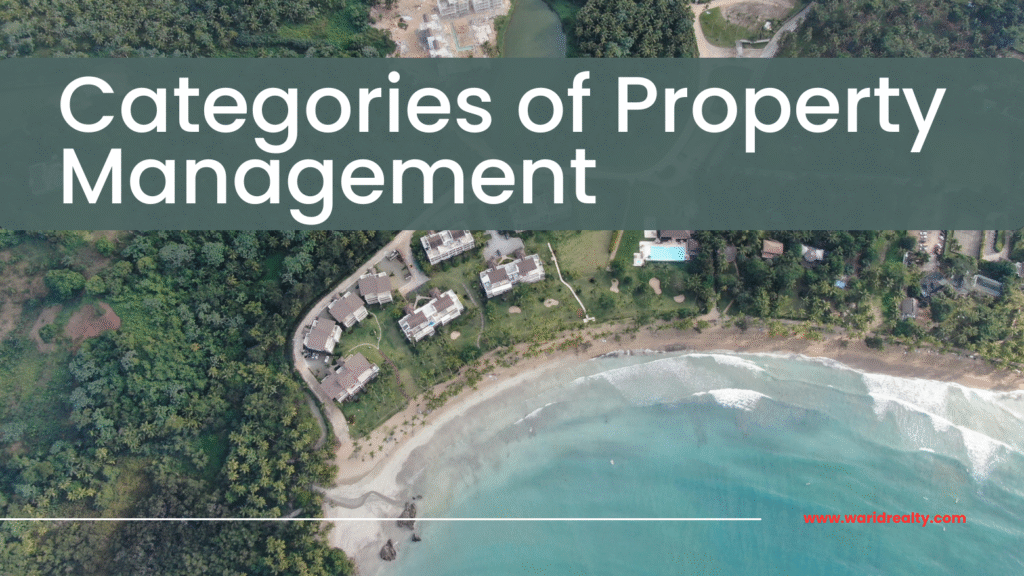
Property management strategies differ depending on the type of property being managed. Each category has unique requirements, tenant profiles, and operational challenges.
Let’s explore the four main categories of property management.
1. Residential Property Management
Residential property management focuses on housing units where people live. It includes:
- Single-family homes
- Apartments
- Duplexes and villas
- Townhouses and gated communities
- Multi-story apartment complexes
Key Responsibilities:
- Advertising vacancies through digital platforms and brokers
- Screening tenants using background and credit checks
- Drafting and managing lease agreements
- Handling move-ins and move-outs
- Managing rent collection and arrears
- Coordinating maintenance and cleaning services
- Conducting regular property inspections
- Ensuring compliance with housing laws and tenant rights
Example:
A property manager handling a 25-unit apartment complex ensures that rent is collected on the 5th of every month, arranges for routine plumbing checks, and coordinates repainting every two years to retain existing tenants and attract new ones.
2. Commercial Property Management
Commercial property management handles spaces used for business or professional activities. It covers:
- Office buildings
- Shopping complexes and malls
- Co-working spaces
- Showrooms and retail stores
- Corporate parks
Key Responsibilities:
- Negotiating long-term leases with corporate clients
- Ensuring operational efficiency without disrupting business
- Managing building security, elevators, and utilities
- Handling parking, signage, and common areas
- Tracking lease expiry and renewals
- Preparing monthly reports for owners
Example:
A commercial property manager for a shopping mall must coordinate with retailers, manage advertising spaces, schedule maintenance during off-hours, and maintain relationships with tenants to ensure low vacancy rates.
3. Industrial Property Management
Industrial property management involves managing properties used for manufacturing, logistics, and storage operations. Examples include:
- Warehouses
- Production plants
- Industrial parks
- Distribution hubs
Key Responsibilities:
- Ensuring safety compliance with fire and environmental regulations
- Monitoring heavy equipment maintenance and loading areas
- Managing long-term leases with industrial tenants
- Overseeing security and access controls
- Coordinating specialized maintenance such as HVAC or conveyor systems
Example:
Managing a warehouse involves scheduling pest control, maintaining temperature systems, and ensuring fire extinguishers and alarms meet safety codes.
4. Special-Purpose Property Management
Special-purpose properties are designed for specific uses and often have complex management needs. Examples include:
- Hospitals and clinics
- Hotels and resorts
- Educational institutions
- Stadiums and event halls
- Religious buildings
Key Responsibilities:
- Maintaining specialized infrastructure (medical equipment, sound systems, etc.)
- Coordinating with multiple stakeholders (staff, clients, event organizers)
- Managing compliance with health, hospitality, or institutional standards
- Handling large-scale service contracts and licenses
Example:
A hotel property manager must coordinate housekeeping, front desk operations, maintenance, and marketing — ensuring smooth guest experiences and profitability.
How to Evaluate a Property Manager

Choosing the right property manager can determine whether your investment thrives or struggles. Use the following checklist to evaluate potential candidates or firms:
1. Experience and Specialization
Check how many years they have managed properties similar to yours. Residential and commercial management require different expertise.
2. Licensing and Certification
Verify if they possess the necessary real estate management licenses or certifications such as CPM (Certified Property Manager) or RICS accreditation.
3. References and Reputation
Ask for references or client testimonials. A strong reputation for reliability, responsiveness, and honesty is a must.
4. Use of Technology
Modern property managers use digital tools for tenant communication, rent tracking, and maintenance scheduling. Ask what systems or apps they use.
5. Communication and Responsiveness
A professional manager should respond quickly to tenant and owner concerns. Timely updates reflect accountability.
6. Fee Transparency
Compare management fees (usually 8–12% of monthly rent). Ask if there are hidden charges like maintenance markups or vacancy fees.
7. Maintenance Network
Managers should have access to trusted vendors – electricians, plumbers, cleaners, and security teams.
8. Financial Reporting
They should provide monthly financial summaries with income, expenses, and pending dues.
9. Problem-Solving Skills
Ask how they’d handle emergencies or difficult tenants. Their approach reveals their professionalism and judgment.
A skilled property manager acts as your local representative, protecting your interests while ensuring smooth property operations.
Legal Documentation to Check
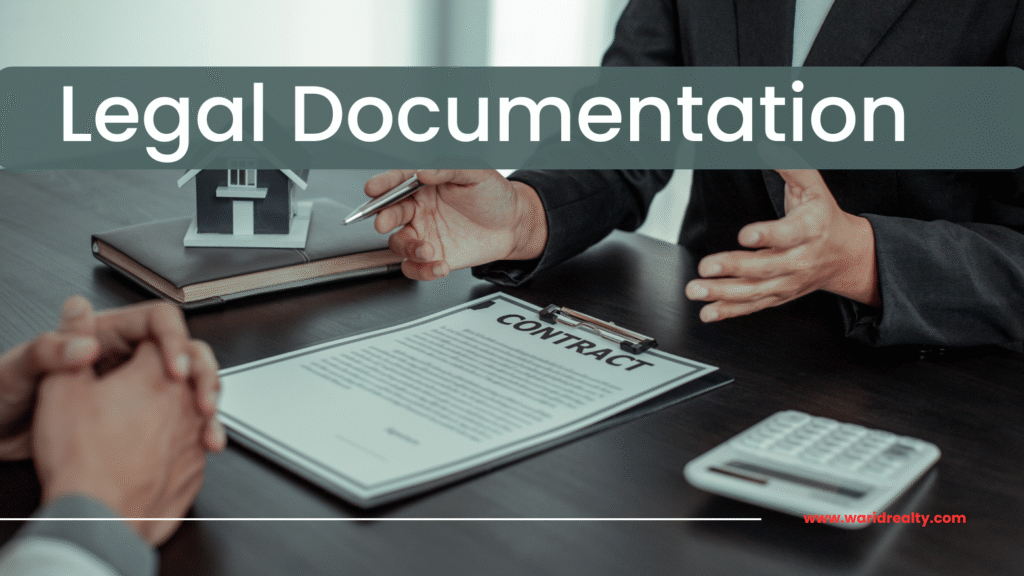
Proper documentation prevents conflicts and ensures your property management is legally sound. Here’s what to keep in place:
1. Title Deed
Confirms ownership and boundaries of the property. Ensure it’s registered and free from disputes.
2. Lease Agreement
Defines terms of tenancy — rent, duration, renewal, and maintenance responsibilities. Always use a legally vetted template.
3. Rent Receipts and Payment Records
Maintain copies of all payments for taxation and proof of transactions.
4. Property Tax Receipts
Verify that taxes are current to avoid penalties or complications in future sales.
5. Occupancy Certificate (OC)
Certifies that the property is fit for occupancy as per building regulations.
6. Insurance Papers
Include property, fire, and liability insurance to protect against unforeseen losses.
7. No Objection Certificate (NOC)
Some jurisdictions or housing societies require NOCs for renting or renovating properties.
8. Utility and Maintenance Contracts
Keep contracts for electricity, water, elevator maintenance, and waste management handy.
9. Eviction and Termination Notices
If needed, ensure all notices follow legal protocols to prevent tenant disputes. Keeping these documents organized helps during audits, property sales, or refinancing.
Property Management Responsibilities
Property management involves several day-to-day and long-term responsibilities. A professional manager balances people, property, and profit efficiently.
1. Tenant Relations
Maintaining good tenant relationships is key. Managers handle inquiries, complaints, renewals, and move-outs professionally.
2. Rent and Financial Management
They ensure rent is paid on time, late fees are enforced, and all transactions are recorded. Financial transparency builds owner trust.
3. Maintenance and Repairs
Routine and preventive maintenance ensures longevity. Managers schedule regular cleaning, landscaping, plumbing checks, and safety audits.
4. Legal and Regulatory Compliance
From lease registration to safety audits, managers ensure full legal compliance to avoid disputes.
5. Marketing and Vacancy Handling
Vacancies cost money. Managers advertise promptly, conduct viewings, and ensure minimal downtime between tenants.
6. Vendor Coordination
Managing contracts with repair vendors, cleaners, and landscapers ensures smooth property upkeep.
7. Budgeting and Cost Control
Managers create annual maintenance budgets, forecast expenses, and monitor utility costs to prevent overspending.
8. Emergency Response
In case of fires, floods, or break-ins, managers coordinate immediate repairs and insurance claims.
9. Owner Communication
Regular updates and reports ensure owners remain informed about property performance and finances.
Effective property management builds long-term profitability and peace of mind for both owners and tenants.
Property Management System (PMS)
In the digital era, manual management is inefficient. A Property Management System (PMS) automates many administrative and financial tasks, improving productivity and accuracy.
Benefits of Using PMS:
- Automation:
Rent collection, reminders, and maintenance scheduling happen automatically. - Centralized Database:
All property records, tenant information, and documents are stored securely in one system. - Online Payments:
Tenants can pay rent through online portals, reducing delays. - Maintenance Requests:
Tenants can log complaints digitally, and managers can assign vendors instantly. - Reporting:
Generate rent ledgers, income statements, and occupancy reports in seconds. - Remote Access:
Cloud-based PMS allows property managers to monitor portfolios anytime, anywhere.
Conclusion (Manage Real Estate)
Property management is more than just a back-office task – it’s a strategic function that determines your real estate investment’s success. Whether it’s residential, commercial, or industrial property, effective management ensures higher returns, reduced risks, and long-term value growth.
By understanding each property’s unique needs, maintaining strong tenant relations, keeping documentation organized, and embracing technology, you can confidently manage your real estate like a professional.
Remember: Property Management is not an expense — it’s an investment in peace of mind and profitability.
Treat your property like a business, your tenants like customers, and your manager like a partner — and your real estate will reward you for years to come.
FAQs (Property Management)
Yes, but it requires time, discipline, and knowledge of real estate laws. Professional managers often save money in the long run by reducing vacancies and avoiding legal issues.
Typically 8–12% of the monthly rent, depending on property size and services offered.
Keep it well-maintained, use technology for efficiency, choose reliable tenants, and monitor market trends regularly.
Also read,
- Real Estate Property Rights: 2025 You Must Know
- Rent Control Act: Best Guide 2025
- Types of Lease: For Real Estate Property
4 thoughts on “Property Management Guide: Manage Real Estate like a Pro”