
Dubai real estate has become a market for global investment that is regulated and focused on returns. As an investor, I always prioritise the safety of my capital, steady cash flow, and long-term growth. In 2026, Dubai excels compared to many international cities due to strong governance, the absence of property taxes, and ongoing demand from global talent and businesses.
This guide explains why to invest, where the opportunities are, who the leading developers are, how RERA protects investors, and how to select the right real estate agent in Dubai. The content is clear and geared towards investors.
Estimated reading time: 9 minutes
Key Takeaways
- Dubai Real Estate offers high rental yields, no property taxes, and a stable regulatory environment, making it attractive for investors in 2026.
- Various investment strategies exist, including off-plan properties, ready-to-move properties, and luxury residences, catering to diverse investor needs.
- Top developers like Sobha Realty, Omniyat, Emaar, Damac, and Nakheel provide quality projects, each with unique investment advantages.
- RERA protects investors through escrow laws and ensures transparency, while buyers should carefully evaluate real estate agents based on licensing and market knowledge.
- Dubai remains competitive against global cities, offering better returns and growth potential for international investors.
Why Invest in Dubai Real Estate in 2026
Dubai offers a unique mix of high rental yields, clear regulations, and access to global funds. For investors, this balance lowers the risk of losses while keeping the potential for gains.
Dubai’s diverse economy, which includes tourism, logistics, finance, and technology, helps maintain steady housing demand. Growth in population, the availability of long-term residency visas, and business-friendly laws continue to draw expatriates and entrepreneurs. This influx directly boosts the rental market.
From a tax perspective, Dubai is one of the friendliest places for investors. The lack of capital gains tax, annual property tax, and inheritance tax significantly raises net returns. For anyone comparing cities worldwide, this factor makes Dubai very attractive.
Rental yields in Dubai usually range from 6% to 9%, depending on the location and type of property. In a global market where yields are dropping, Dubai still provides strong income and capital growth.
Opportunities in Dubai Real Estate
Dubai’s property market offers multiple investment strategies. As an investor, aligning the right asset with the right objective is critical.
Off-plan properties remain attractive due to lower entry prices and flexible payment plans. Investors who choose reputed developers and hold for the medium to long term often benefit from price appreciation before project completion.
Ready-to-move properties suit investors seeking immediate rental income. These assets carry lower execution risk and allow investors to assess actual rental demand. Established locations continue to perform well due to strong tenant profiles.
Luxury and branded residences appeal to high-net-worth investors. These properties offer exclusivity, premium pricing, and strong resale demand. While entry costs are higher, long-term appreciation potential is significant.
Short-term rental investments benefit from Dubai’s tourism-driven economy. Investors who professionally manage holiday homes often achieve higher yields compared to long-term leasing.
Commercial and mixed-use real estate is gaining attention as Dubai strengthens its role as a global business hub. Office spaces and community retail assets show stable demand fundamentals.
Best 5 Developers in Dubai Real Estate
From an investor’s perspective, the developer of a project is as crucial as the location. In Dubai, where off-plan and master-planned developments lead the market, a solid developer directly affects construction quality, delivery times, rental demand, resale value, and long-term capital growth. Over the years, only a handful of developers have consistently shown financial strength, followed regulations, and earned investor trust.
Below is a detailed, investor-focused look at the five top developers in Dubai real estate, based on credibility, performance history, and risk-return balance.
1. Sobha Realty

Sobha Realty stands out as a developer focused on quality, which is essential for long-term investors. Unlike many developers who hire outside contractors, Sobha follows a model where design, engineering, materials, and construction are mostly handled in-house. This approach significantly lowers construction risk and issues with maintenance after handover.
Sobha developments attract strong demand from end-users, which helps maintain stable rents and makes reselling easier. Projects like integrated townships and premium residential communities prioritize long-term livability over short-term marketing. For investors, this means lower vacancy risk and steady rental income.
Although Sobha projects often come with a higher price tag, the cost is usually justified by better construction quality, careful project delivery, and a strong brand reputation. Sobha is especially suitable for investors looking to preserve capital, enjoy steady appreciation, and hold their investments over the long term.
2. Omniyat

Omniyat operates in a niche segment of the market, focusing on ultra-luxury and iconic developments. As an investor, you should see Omniyat projects not as traditional income assets but as high-value, scarcity-driven investments.
Omniyat works with famous architects, designers, and global brands. This approach creates exclusivity, which greatly boosts long-term value. Rental yields might not always be the highest, but resale premiums and demand driven by the brand often make up for it over time.
For investors willing to take on more risk with a longer time frame, Omniyat properties act like “trophy assets.” They are ideal for diversifying portfolios, preserving wealth, and gaining exposure to Dubai’s luxury real estate market instead of focusing on short-term gains.
3. Emaar
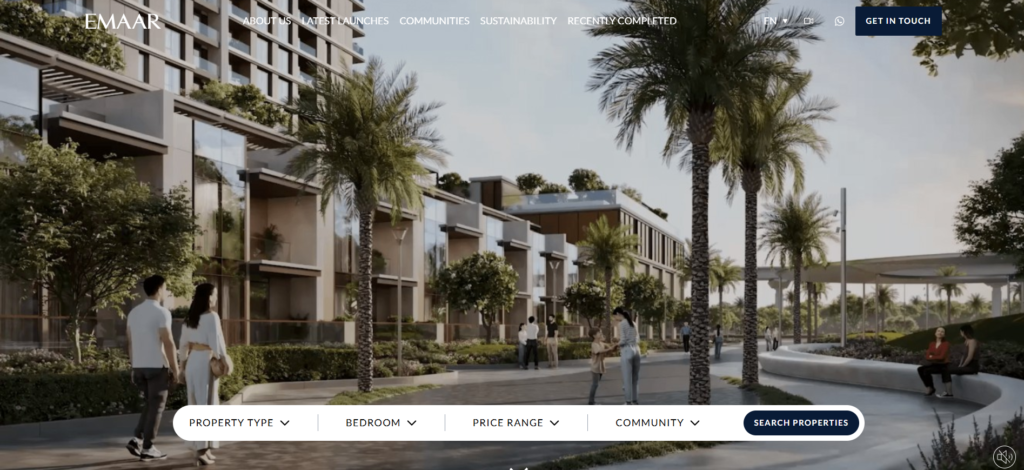
Emaar Properties is well-known as the most stable and reputable developer in Dubai. For investors, Emaar offers predictability, size, and liquidity. Its master-planned communities have set standards for urban development in the area.
Emaar’s strength comes from its ability to create complete ecosystems that include residential, commercial, retail, and leisure spaces within a single project. This kind of planning ensures ongoing demand, strong tenant profiles, and the long-term value of its properties.
Emaar properties typically provide moderate but steady rental yields along with strong demand for resale. They are easier to finance, lease, and sell compared to many other developments. For cautious investors or first-time foreign buyers, Emaar is one of the safest ways to enter the Dubai real estate market.
4. Damac
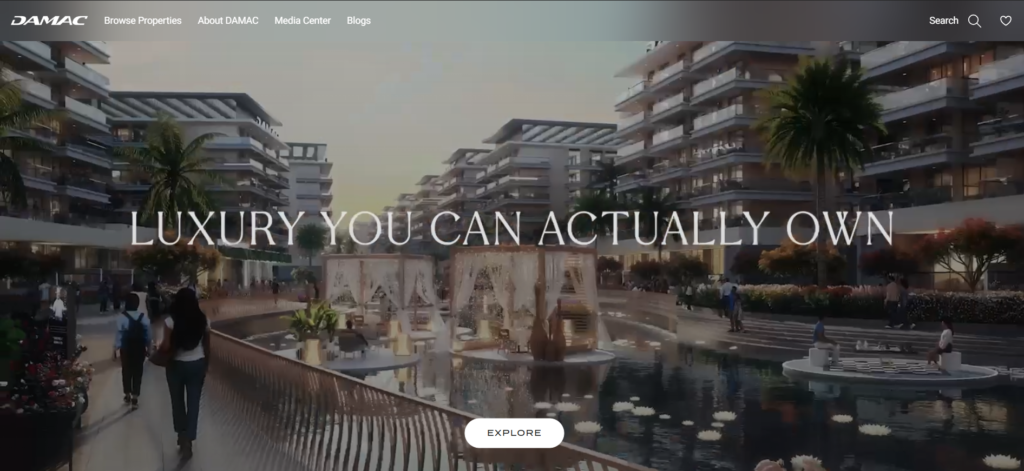
Damac Properties focuses on investors who want growth-oriented and flexible investment options. The developer is known for its strong marketing, collaborations with well-known brands, and appealing payment plans, which make it easier for investors to get involved.
From an investor’s viewpoint, Damac projects usually do well in rising markets because of their strong lifestyle appeal and brand partnerships. Rental demand stays robust, especially in prime and luxury areas.
However, investing in Damac requires careful choice of projects and locations. Investors who do their homework and choose areas with strong demand can see good appreciation and rental returns.
5. Nakheel
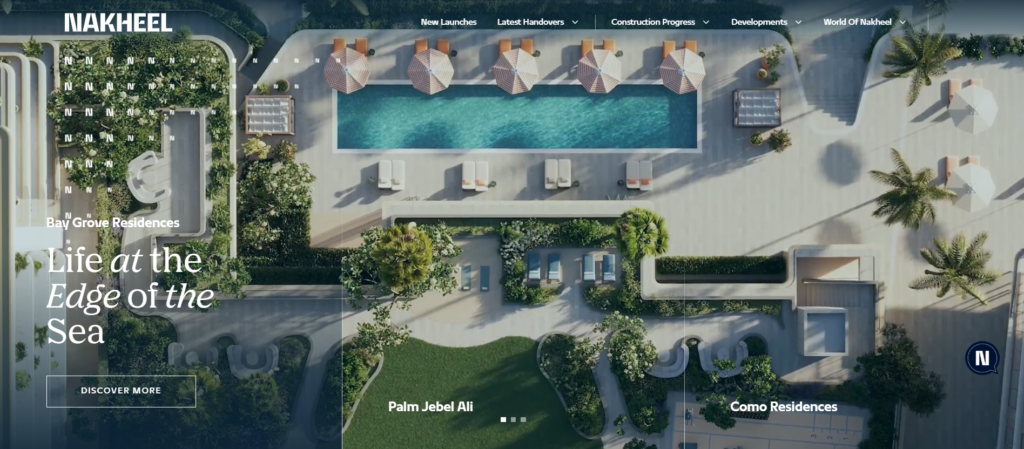
Nakheel has a special role in Dubai’s real estate market as a government-supported master developer. This backing gives long-term investors added confidence, especially for large and infrastructure-heavy projects.
Nakheel is well-known for building community-focused developments, particularly those near waterfronts and mixed-use areas. These projects might take time to fully develop, but once they do, they usually show significant appreciation.
For investors, Nakheel assets are perfect for long-term strategies. While rental yields may take time to stabilize, capital growth and demand driven by lifestyle factors increase over time. Nakheel’s developments also receive strong government support in infrastructure and connectivity.
Rights and Liabilities of Buyer and Seller as per RERA
Dubai’s real estate market is regulated by the Real Estate Regulatory Agency (RERA), which is essential for protecting investors.
For investors, RERA lowers uncertainty by enforcing escrow laws for off-plan projects. Buyer funds are protected and can only be used for construction. Buyers have the right to receive clear project information and can seek remedies if contracts are not honored.
At the same time, buyers must stick to payment schedules and follow contractual terms. Sellers and developers must complete projects as approved and within set timelines.
This clear framework ensures responsibility for both parties and makes Dubai one of the most transparent real estate markets in the world.
How to Evaluate Real Estate Agent in Dubai
For investors, a real estate agent is not just a broker; they act as a risk filter.
The first step is to confirm RERA licensing. Licensed agents follow legal standards and ethical practices. Market knowledge is also important. Agents should understand pricing trends, rental yields, and upcoming infrastructure developments.
A reliable agent communicates clearly about fees, risks, and exit strategies. Investors should avoid agents who pressure them into quick decisions without data.
Track record and post-sales support are important. Agents who help with registration, leasing, and property management offer long-term value and make the investment process smoother.
FAQ
Yes. Dubai has a clear legal framework, defined ownership rights, and solid regulatory oversight from the Real Estate Regulatory Agency (RERA). These aspects make it one of the safest and easiest markets for first-time foreign property investors.
Key risks include choosing unreliable developers, investing in areas with too many properties, and making short-term bets. You can reduce these risks by doing your homework, focusing on well-regarded developers, understanding what drives demand, and taking a long-term approach to investing.
Compared to cities like London or Singapore, Dubai provides higher rental yields, lower transaction costs, and minimal taxes. For investors looking for income and growth, Dubai is still one of the most competitive real estate markets worldwide in 2026.
The Real Estate Regulatory Agency (RERA) oversees Dubai’s real estate sector. It protects investors by enforcing escrow laws, licensing brokers, approving projects, and ensuring transparency. This approach greatly lowers the risk of fraud and investment loss.
Also read,
- RERA Delhi NCR Guide: All you need to know
- Dubai Real Estate Developers: Choose the right one
- Real Estate Agent Salary: Rewarding or Not
- Real Estate Agent: Manage Real Estate
8 thoughts on “Dubai Real Estate Guide 2026: Investors, Developers & RERA”